BTS's 'Arirang' acts as an homage to its early hip-hop days and a promise to its future: Review

[REVIEW]
Some works of art reveal themselves more fully once they’re given context, and BTS’s long-awaited fifth full-length album, “Arirang,” appears to be one of them, its significance to the boy band becoming clearer when put into perspective.
With HYBE founder Bang Si-hyuk at the helm, “Arirang” marks BTS’s first full-group album release in nearly four years and is a collaboration between the septet and a star-studded lineup of producers, including Diplo, Ryan Tedder and El Guincho.
As a result, the album — which has already proven to be a massive commercial success, with nearly 4 million copies sold on the first day of release — is unmistakably polished, with the smooth precision expected of the trendy, contemporary pop.
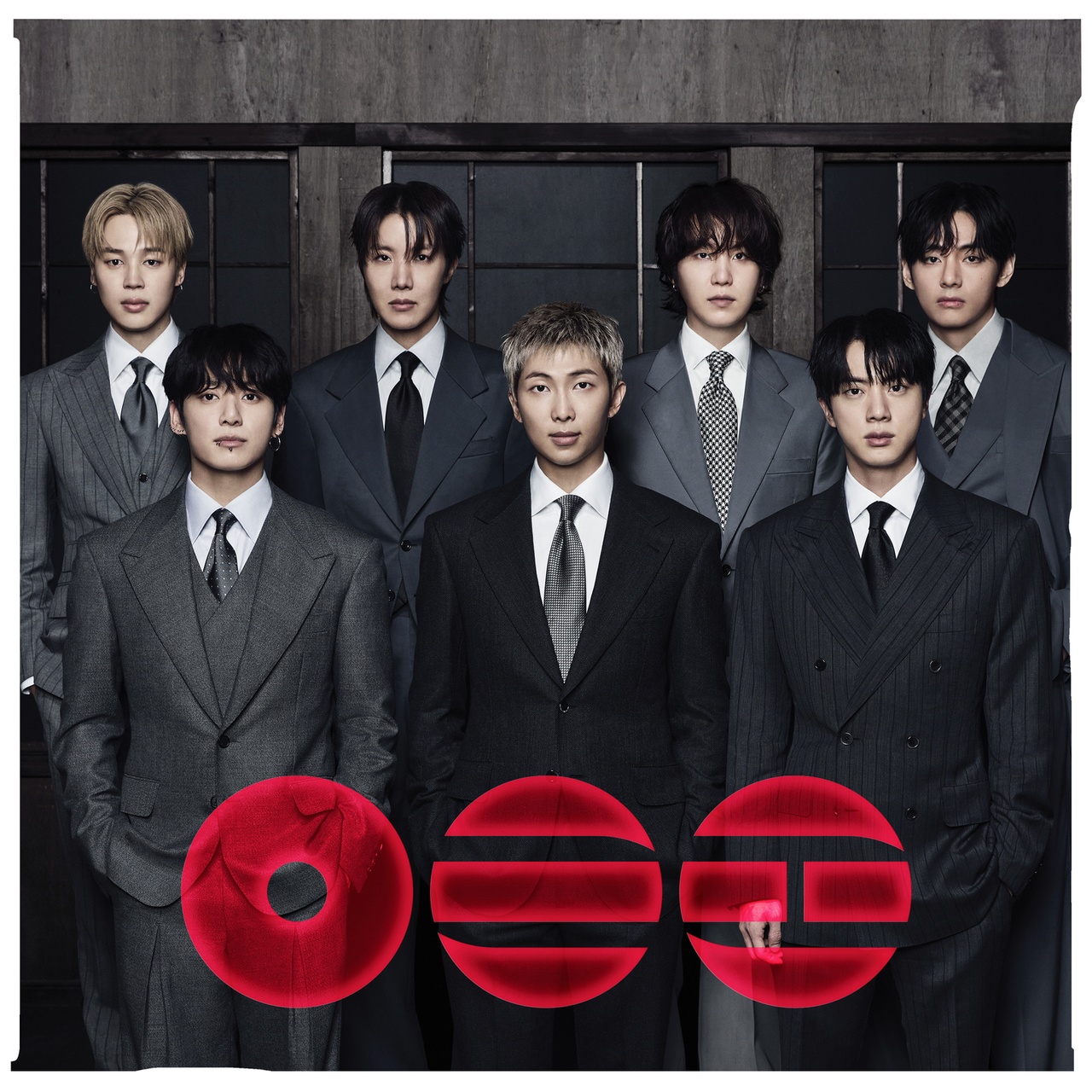
But its meaning emerges less through the craftsmanship of individual songs than in the album’s carefully structured chronology, as well as through a larger arc as the world’s biggest boy band declares a new phase in its career.
While “Arirang” has been described as an exploration of BTS’s roots, fittingly sharing a name with a centuries-old Korean folk song, the album ultimately delves into something more personal than nationality or legacy. Instead, it reflects on the group’s present standing as a global phenomenon and the question that now confronts the septet: Where does it go next?
Back to its roots
Like how RM’s solo introduction to “Map of the Soul: Persona” (2019) — which opens with the question “Who the hell am I?” — and Suga’s interlude in “Map of the Soul: 7” (2020) encapsulate the message behind their respective albums, the first song in “Arirang,” “Body to Body,” hints at the album’s central narrative of returning to where everything began.
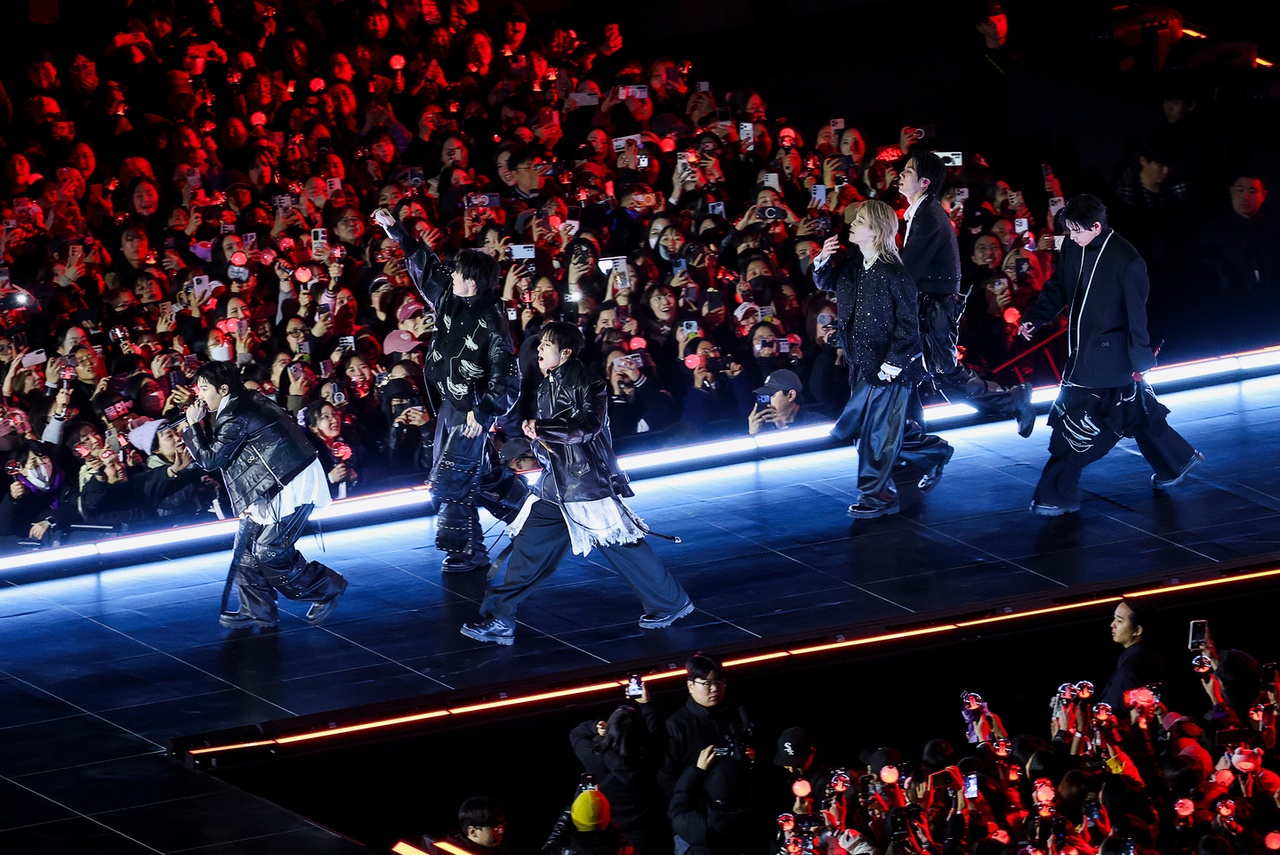
The opening track establishes the album’s main concept by sampling the melody of the “Arirang” folk song. Moreover, the dance-pop track, which has already emerged as a fan favorite, is apparently designed for stadium performances and thus leans heavily into a hip-hop sound — fitting, given that BTS started as a hip-hop group.

“Hooligan” delivers an intriguing experiment that blends the sophisticated sound of strings with that of clashing swords. The song is followed by “Aliens,” an honest hip-hop track that tackles the theme of identity through cheeky lyrics such as “If you want to hit my house, then take your shoes off at the door” or “The sun’s risin’ from the East,” emphasizing the group’s self-awareness of being Korean artists dominating the global music scene.
“FYA” is an energetic club banger, arguably the album’s most quintessentially K-pop-esque track, and “2.0” comes with a minimalistic trap beat anchored by Suga’s blunt opening line: “Yes, ‘like BTS’ is easy to say / We’re vaults, and someone’s jumping over us / It’s funny — no, actually, not so funny.”
The ding
Then comes the ding.

“No. 29” is an interlude that lasts 1 minute and 38 seconds, featuring the deep chime of the Sacred Bell of Great King Seongdeok, followed by near silence. According to RM, the silence continues until the 98-second mark because that is when the bell’s frequency line flattens.
Placed between “2.0” and the lead track, “Swim,” the interlude creates a striking pause in the album’s momentum. After a run of hip-hop-driven tracks, the bell’s lingering resonance prepares listeners for a shift toward a softer, more introspective sound.
When the opening crescendo of “Swim” finally arrives after the long silence, it feels like the beginning of a new journey.
Despite being the lead single, “Swim” is among the album’s most stripped-down tracks. RM repeatedly likened it to Pyongyang naengmyeon (cold buckwheat noodles), which is known for its subtle yet deep flavor.
“It was the song that could reach the most people,” he said during a livestream on Friday, indicating that its easy-listening quality has been one of the primary appeals.
The song clearly marks a departure from BTS’s typically high-energy lead tracks, with its slower pace, minimalistic instrumentation and repeating chorus of “Swim, swim,” which evokes the image of moving steadily forward through water. It also reflects where BTS stands now.
During Friday’s livestream, RM said that the members ultimately arrived at the key word “Arirang” after reflecting on what still tied them together, saying, “It felt like the only grounds we share at the current point were that we love ourselves and that we are Koreans.”

After 13 years, the group now finds itself at a crossroads. Not only has each member grown into an artist with their own distinct voice and vision during the hiatus, but the septet faces the challenge of charting a new direction while under intense scrutiny, with the stakes higher than ever.
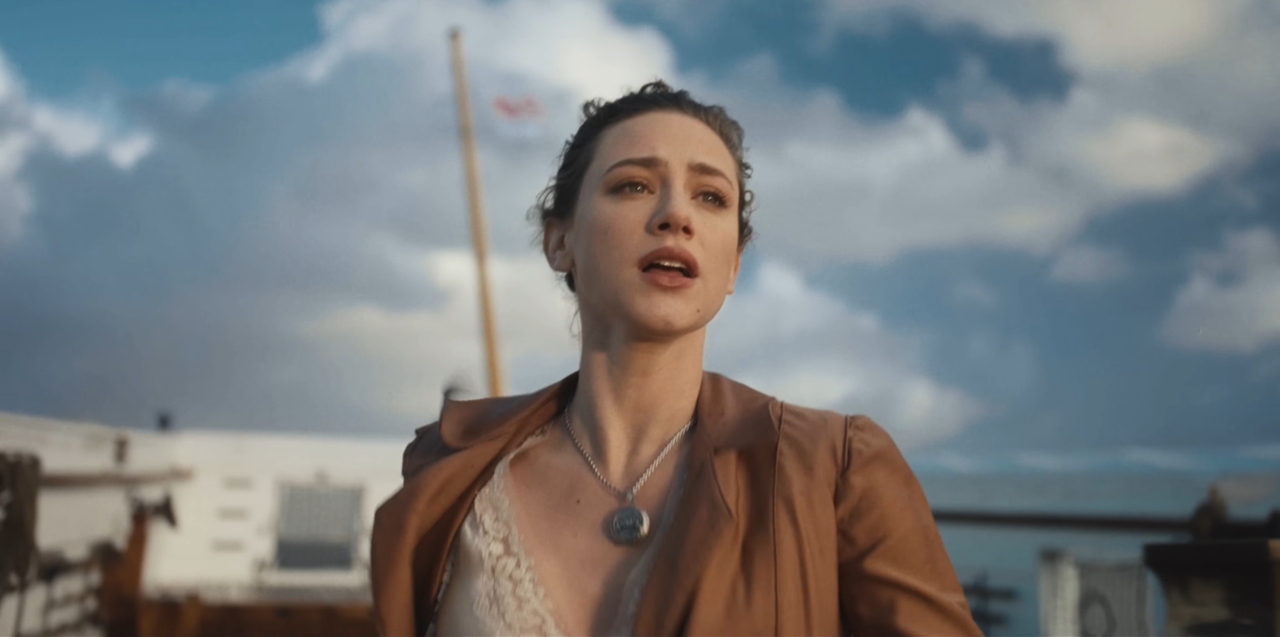
The calm melody of “Swim, swim,” and the visuals in the music video — with the band appearing as crew members aboard the same ship — effectively serve as a metaphor for how the group deliberately chose to move forward together, not apart.
Jimin, who revealed that he initially opposed making “Swim” the lead track, also noted, “After reading RM’s lyrics, we all agreed that it was the most fitting song for where we are right now.”

Musical maturity
Following “Swim,” the album moves into a new sonic territory that reflects the group’s musical maturation.
“Merry Go Round” unfolds as a dreamy, slow track steeped in bittersweet nostalgia, capturing the fatigue of being trapped in a repetitive cycle. “Normal” gives the well-deserved spotlight to the group’s singers. Beginning with Jungkook and followed by Jimin, Jin and V, the track highlights each singer’s unique vocals and styles. “Like Animals” ventures into a psychedelic trip-hop soundscape, heavy on vocals and rich in atmosphere, followed by "they don't know 'bout us," which confronts the scrutiny and praise that have placed the members on a pedestal.
The mood then lightens with the moderate-tempo tracks “One More Night” and “Please.” “Please” in particular stands out as a soft R&B number filled with promises to stay together in its gentle, affectionate lyrics.
The album closes on a hopeful but intriguingly experimental note with “Into the Sun.” V’s autotuned opening vocals play against a slow, jazzy guitar riff, creating a dramatic contrast that sets the tone for the emotional finale. The song wraps up the album on an optimistic note — a promise for tomorrow.

Some critics pointed out that despite its title, “Arirang” only superficially engages with Korean musical traditions or heritage, which might be a valid point. But within the album’s broader narrative, “Arirang” seems like a symbolic embodiment of what BTS has gone through as the members asked themselves who they are and where they were headed next.
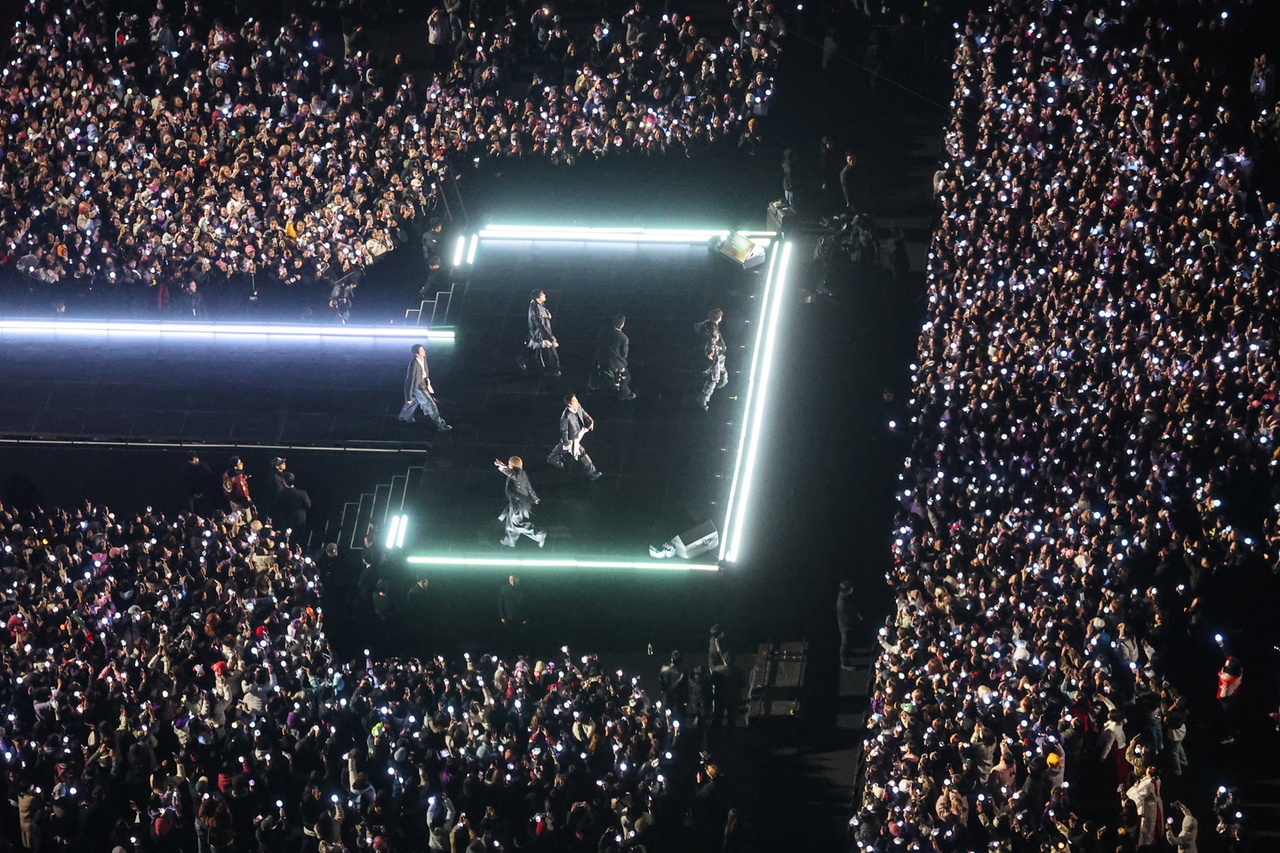
And as the group embarks on the new era, dubbed “BTS 2.0,” one guiding principle remains: As RM declared at the group’s comeback show at Seoul’s Gwanghwamun, “No matter what happens, we promise to keep swimming together.”
BY SHIN HA-NEE [shin.hanee@joongang.co.kr]