Ever wanted to direct a film? Now you can, sort of, with interactive cinema.
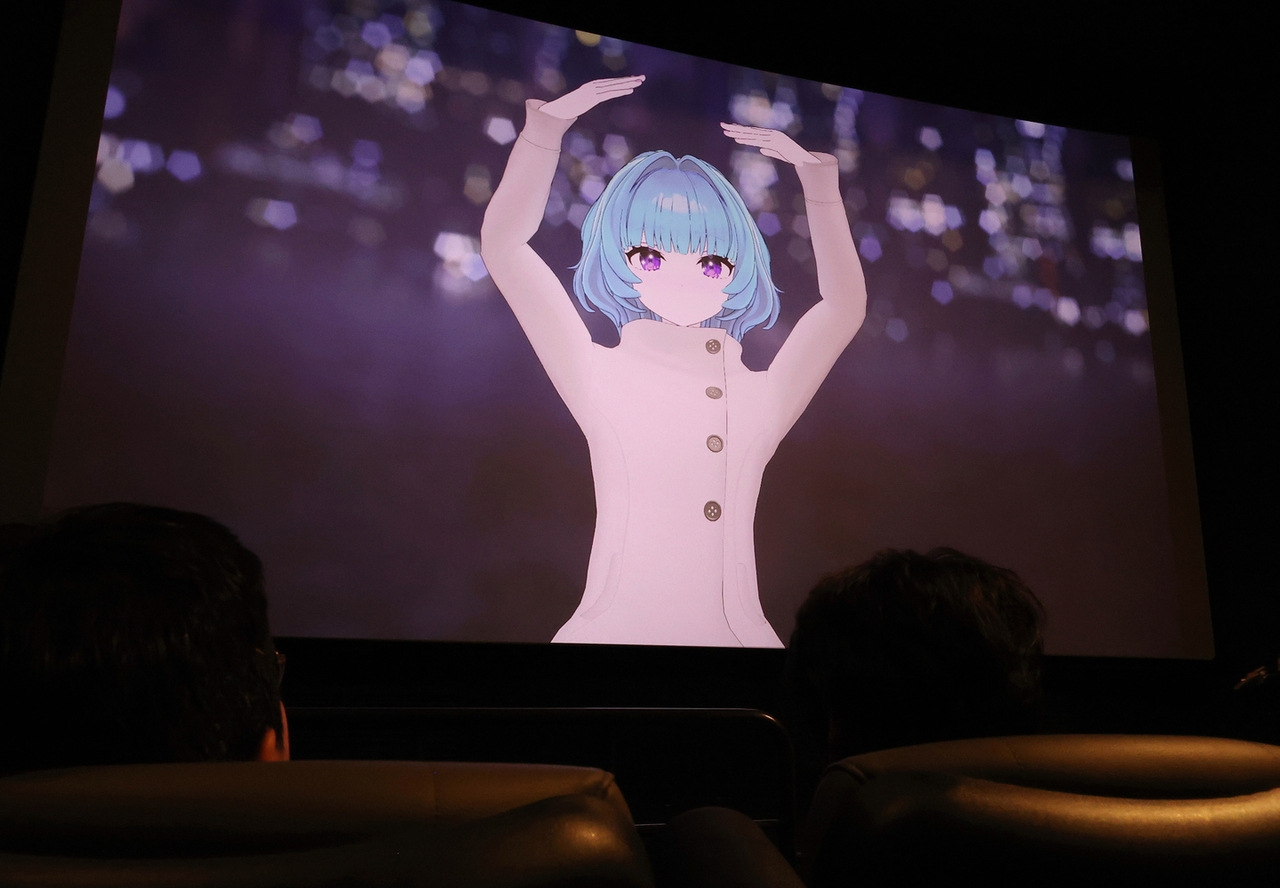
Who says people can only watch a film? That idea may soon feel outdated, as media tech company Aria Studios and theater chain CJ CGV join forces to introduce movies that listen, respond and evolve in real time based on the audience’s voices and choices.
“Our audience won’t just be watching, they’ll be given roles and become participants in the experience,” said director Chae Soo-eung, the head of Aria Studios, during a showcase introducing interactive cinema in Yongsan District, central Seoul, on Tuesday.
“We believe that the kind of people who make the effort to come all the way to the theater are those who have the desire to take part, want to be seen and want to feel a sense of belonging. With that in mind, we shaped the storytelling so that the work can respond to those desires and welcome the audience into the narrative.”
He added that the new cinematic experience goes beyond simple responsive design, with AI enabling the film to deliver interaction that feels more personalized and dynamic.
“Thanks to AI, we can finally create real interaction, a sense of a true exchange between the audience and the characters,” he said. “We’ve been exploring how to translate that energy we once experienced in stage performances into a media-based format. That has been one of our main goals.”
During the showcase, three interactive films — “The Haunted House Interactive,” “Virtual Symphony: The First Note” and “Apartment: In the Realm of Ripley” — were partially screened.
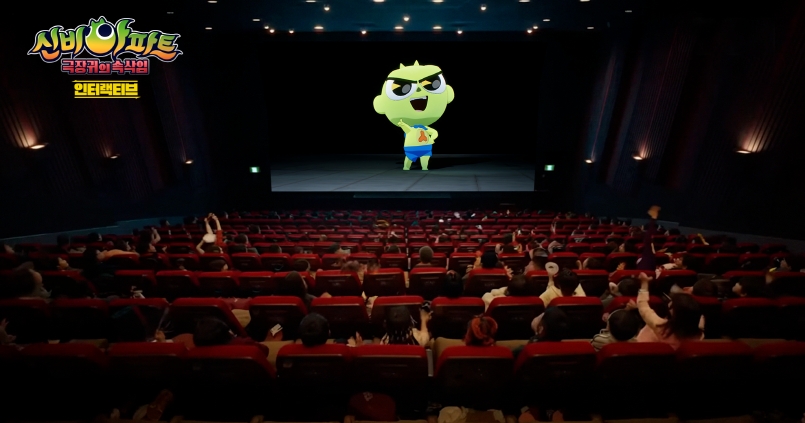
For each film, the audience was required to speak out — a slightly awkward experience for many moviegoers — to give energy to the character, select narrative paths or interact with a virtual artist.
The first feature was the animated film “The Haunted House Interactive,” based on the popular children's character Shinbi, a goblin who investigates paranormal mysteries. The film's story becomes interrupted when the mysterious “Theater Ghost” appears to take control, but the audience, dubbed Kkaebby, fights back by using their voices and steering the story. The film is set to be released in the first half of next year.
Next was “Virtual Symphony: The First Note,” which follows virtual artist Moon Bo-na. During the screening, viewers engaged in real-time interaction. When the host asked the virtual character questions, she responded instantly — even pausing and tripping over her words like a real person. At one point, when asked to “look left” for photos, she naturally understood and followed, mirroring a familiar K-pop showcase moment. The film will be released in the second half of next year.
The last movie was “Apartment: In the Realm of Ripley,” directed by Chae and featuring actors Jang Hyuk and Jo Bok-rae. Set in 2080, when a memory preservation system has become commercialized, the story follows a detective who enters memories of a false reality shaped by Ripley Syndrome, belonging to a boy who is the sole witness to a 2009 unsolved murder.
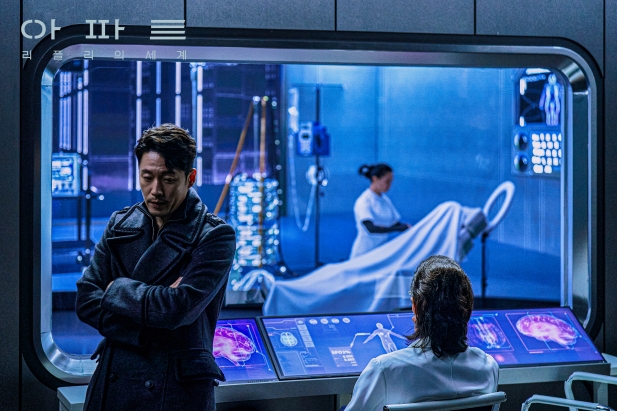
During the demo, the audience became the child and was asked whether to open the door when it was knocked on by an unknown figure, demonstrating how the viewer's choices alter the unfolding narrative.
The film is slated for release in the first half of next year and will mark the first title to debut with both an interactive format and a traditional version.
While the experience was interesting, there were technical glitches during “The Haunted House Interactive,” as the Theater Ghost’s reaction either failed to match the audience's response or was delayed.
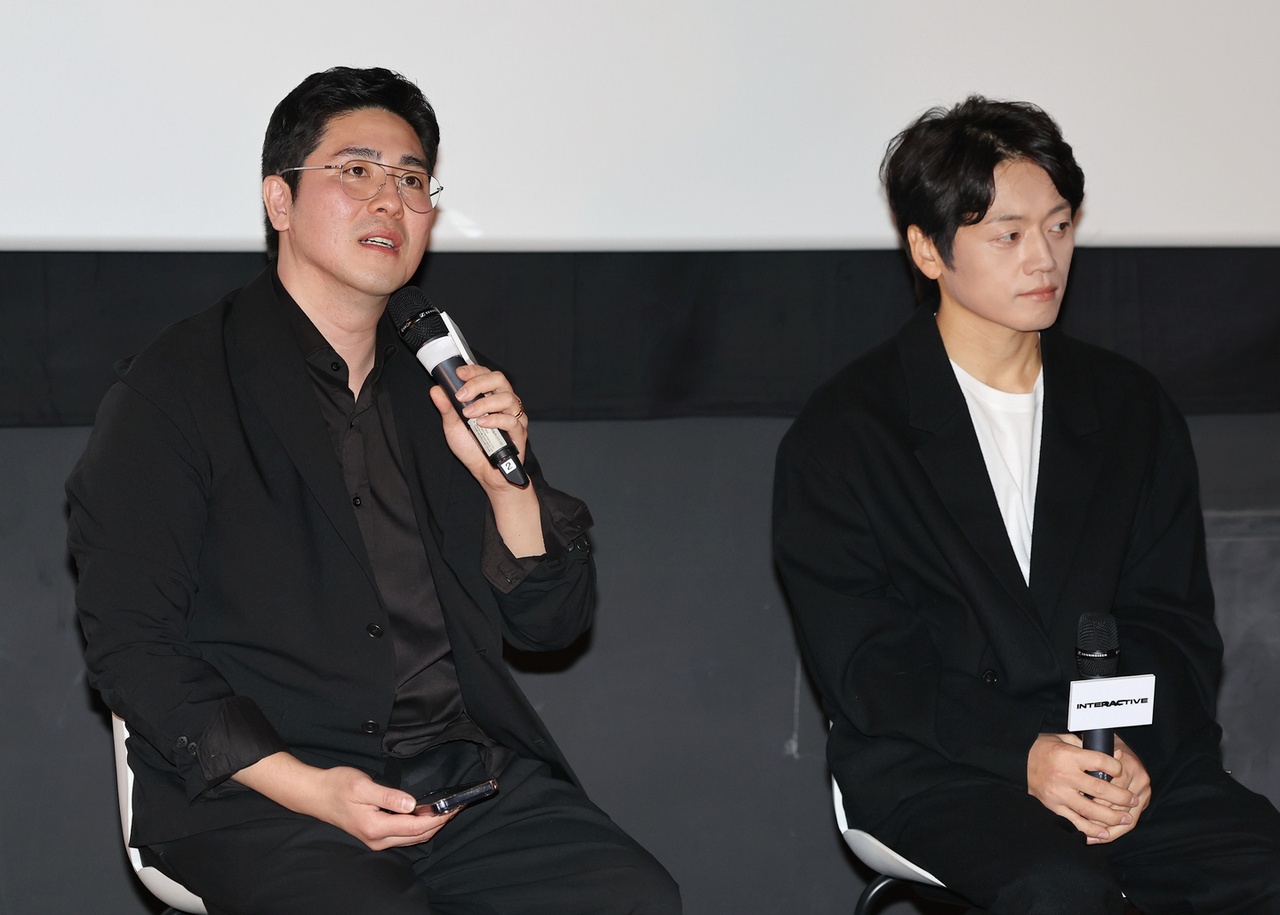
Chae explained that “a temporary sound capture setup was used for today’s showcase” and that for the official release, they “plan to screen the films in a dedicated interactive theater equipped with more advanced sound capture and an optimized operational system."
With this new format, Chae hopes to revive the social essence of moviegoing.
We wanted to create a space where people can hear and feel others' thoughts and energy, and where values clash," Chae said. "Just by sharing the physical space, the audience — though they might be complete strangers — can discover how others think and feel differently, and through this, they can become mirrors for each other."
He also shared a vision of an interactive cinema experience in which films will not only respond, but also perceive.
“As the technology evolves, I also want to mention that someday ‘the film will be able to see us,’” Chae said. “It won’t just respond to our voices anymore. We’re now working on visual recognition as well, so the experience can read the audience’s reactions and emotions.”
BY KIM JI-YE [kim.jiye@joongang.co.kr]