K-pop labels killed it in the second quarter. Domes and dolls were the key.
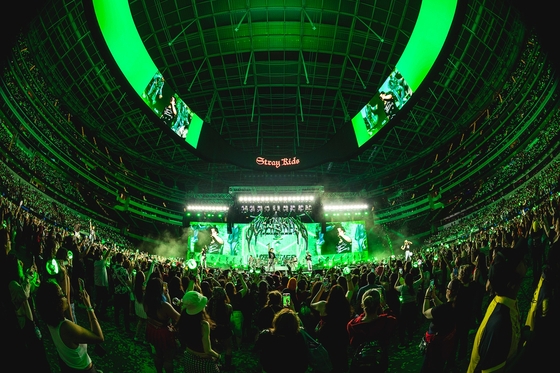
JYP Entertainment delivered a surprise with its second quarter earnings call on Wednesday, despite investors bracing for bad news — becoming the latest to join other major K-pop stocks in proving that the genre’s global momentum is far from fading.
The secret? Stadium sellouts and cute dolls, apparently.
A rapid surge in merchandise and concert sales buoyed the strong results across the industry, while the long-awaited reunion of BTS in May and the massive success of Netflix’s “KPop Demon Hunters” are adding to the optimism for the months ahead.
Ticket, merch sales uplift JYP, SM
JYP Entertainment logged a surprisingly robust second quarter, according to its earnings report released on Wednesday after market close, driven mainly by Stray Kids and Twice.
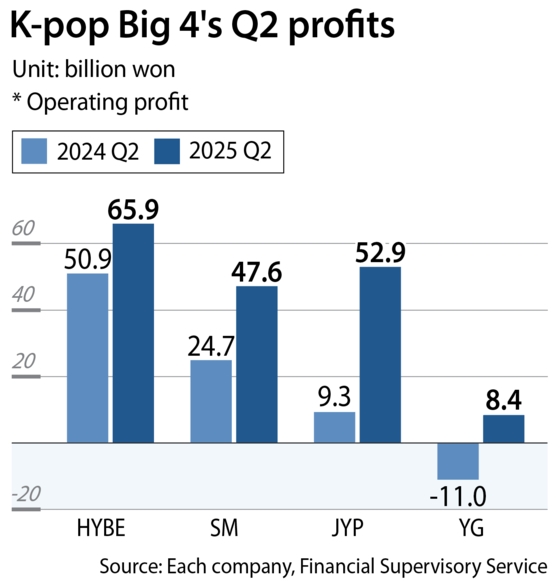
Operating profit soared 466.3 percent on year to 52.9 billion won ($38.1 million) in the April-June period, far above analysts’ expectations of 42 billion won compiled by market tracker FnGuide. Sales rose 125.1 percent to 215.8 billion won, and net profit rose 2,735 percent to 36.3 billion won.
The upbeat performance pushed JYP's share price up 4.76 percent on Thursday, partly reversing the steep 8.8 percent drop a day earlier, fueled by speculation that the results would be weak.
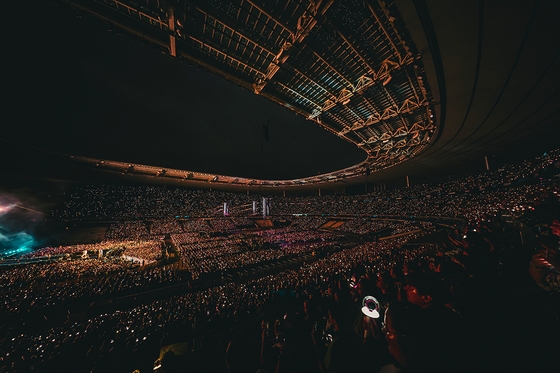
Record-setting merchandise and concert revenue drove the surge.
Merchandise sales hit a record 66.9 billion won, up 355.9 percent, while concert revenue also reached a record 62 billion won, up 342.3 percent, thanks in part to Stray Kids’ ongoing world tour.
Rookies are expected to see gradual growth, with boy band KickFlip set to release new music in the third quarter and CIIU, an upcoming Chinese boy band, to debut through Tencent Music Entertainment Awards in August.
SM Entertainment posted a 92.4 percent surge in operating profit to 47.6 billion won, also beating analyst expectations. Sales rose 19.3 percent to 302.9 billion won, while net profit climbed 267.2 percent to 30.9 billion won.
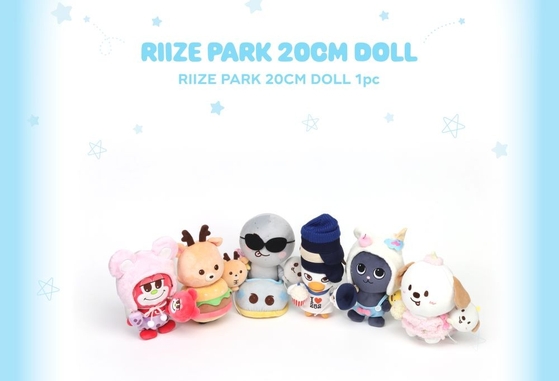
SM also saw robust growth in merchandise sales, setting a record of 63.9 billion won, up 46 percent on year.
“In the second quarter, Riize’s We Little Riize and NCT Wish’s Wichu drove up sales,” noted IM Securities analyst Hwang Ji-won, speaking about toy and plushie lines. “In the latter half of the year, recently launched “Catch! Teenieping” collaborations by Hearts2Hearts and aespa, as well as NCT Dream’s Dreamiez and NCT 127’s Som-moong-chills will sustain the momentum.”
SM Entertainment’s partnership with Tencent Music Entertainment to launch a Chinese group is also expected to boost the potential for long-term monetization in China, Hwang added.
Rookies rise for YG, HYBE
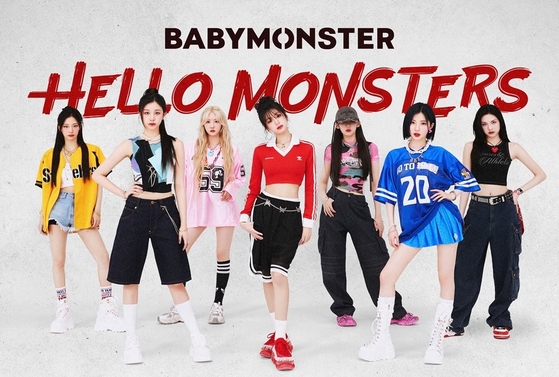
For YG Entertainment, younger acts like Baby Monster and Treasure drove up profits in the April-June period.
YG Entertainment reported an expectation-beating operating profit of 8.4 billion won, an upturn from a quarterly deficit of 11 billion won in the same period last year. Sales rose 11.6 percent to 100.4 billion won, and net profit came in at 11.2 billion won, reversing last year’s net loss of 338 million won.
Ticket sales from Baby Monster’s world tour and Treasure’s U.S. tour drove up profits, according to YG Entertainment.
“Despite having no new release in the second quarter, revenue from concerts, digital content and merchandise had kept the growth trend steady,” said YG Entertainment in a release on Aug. 8.
“YG recently streamlined its business structure in order to prioritize its music business, such as shutting down its actor management business,” noted Samsung Securities senior analyst Choi Min-ha, “which led to improved profitability and stronger fundamentals.”
Meanwhile, K-pop powerhouse HYBE posted a 29.5 percent on-year increase in operating profit to 65.9 billion won in the second quarter.
The figure fell a bit short of analysts’ expectations of 67.6 billion won, largely due to one-off expenses from region-specific projects such as Japan’s aoen or an upcoming boy band in the Latin America region, yet yearly growth remained robust across all sectors, with revenue from concerts rising 31 percent and merchandise 40 percent.
Net profit jumped 54.5 percent on year to 15.5 billion won, and sales rose 10.2 percent to 705.7 billion won, both falling short of expectations.
Katseye is emerging as a major growth engine for the company, as the girl group entered the Billboard Hot 100 singles chart with “Gabriela” and “Gnarly” and is set to launch its first U.S. tour.
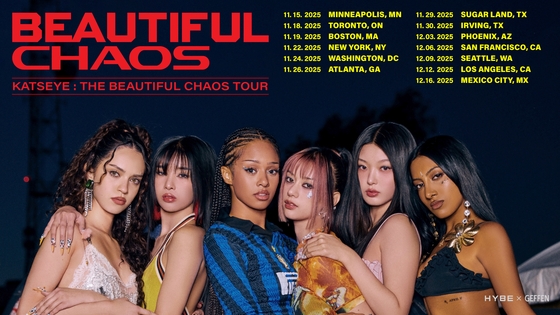
“The fact that Katseye almost caught up with BTS in monthly Spotify listener numbers after only a year since debuting is indeed promising,” said Meritz Securities analyst Kim Min-young, as the girl group hit 24.5 million, compared to BTS’s 28 million.
“This shows the sheer scale of the U.S. market, as well as Katseye’s explosive growth,” Kim added.
‘KPop Demon Hunters’ expands market
Robust ticket and merch sales are expected to sustain the industry’s momentum through the remainder of the year, as showcased in the increase in the share prices of the big four agencies.
JYP Entertainment’s price rose 13.4 percent this year so far, SM Entertainment 96.6 percent, HYBE 46.6 percent and YG a whopping 116.4 percent.
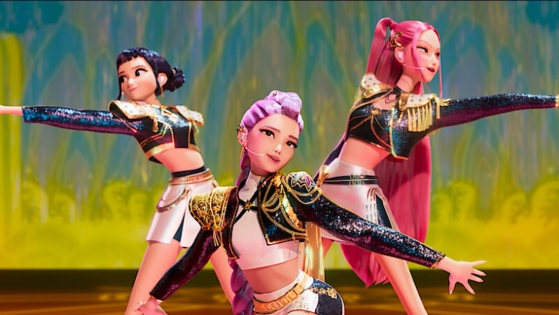
The recent global success of “KPop Demon Hunters,” despite being produced by Netflix and Sony Pictures Animation, is seen as widening the genre’s potential reach in the market.
“The success of ‘KPop Demon Hunters’ could expand the total addressable market for K-pop in Western markets, and a potential reopening of concerts in mainland China after years of a de facto ban on Korean content over Seoul's deployment of a U.S. missile defense system could also further adjust the industry’s valuation even upward,” NH Investment & Securities analyst Lee Hwa-jeong noted in a report on JYP Entertainment released on Thursday.
BY SHIN HA-NEE [shin.hanee@joongang.co.kr]