Move over Prince Charming, K-dramas are all about the 'boy next door' now
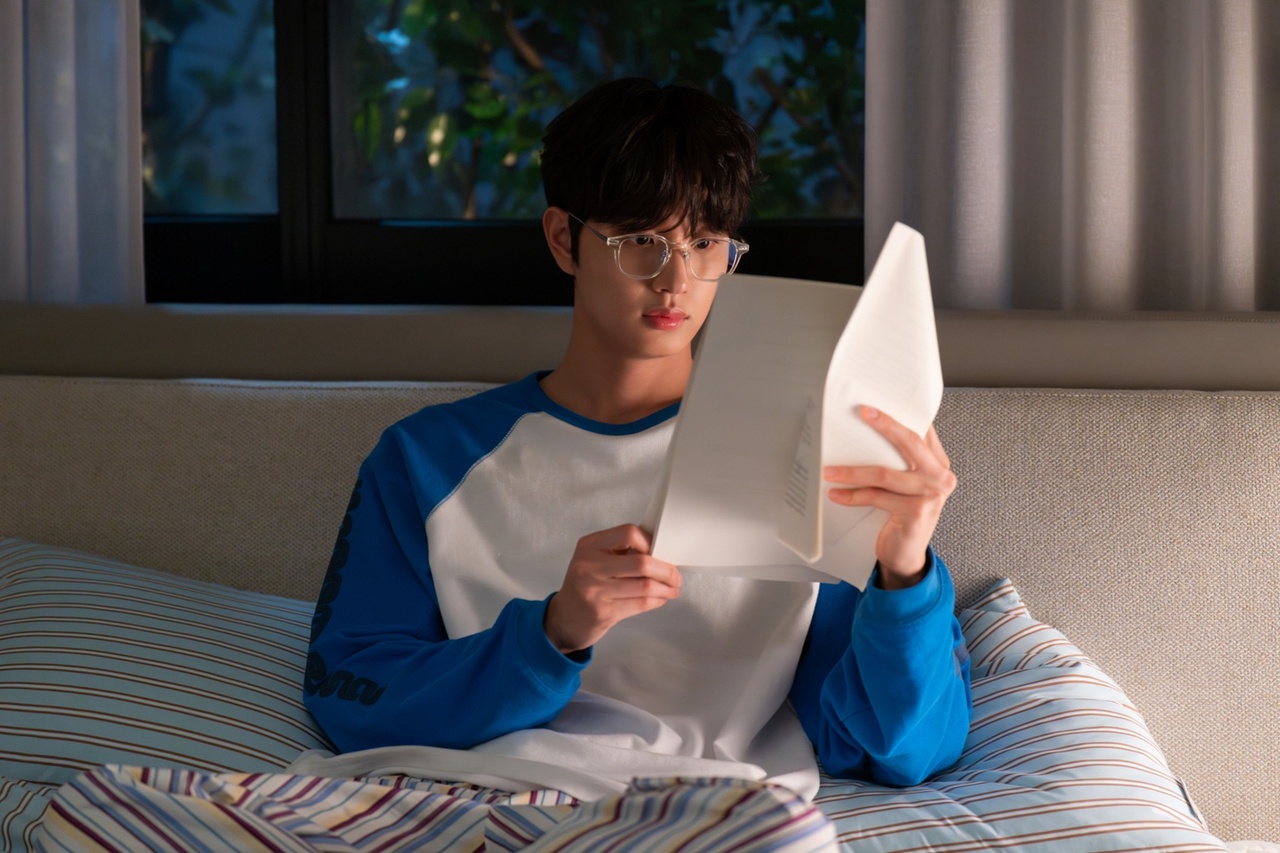
Korean romance dramas were once built on Prince Charming fantasies, but the spotlight is shifting to the boy next door — grounded, relatable and touched with the right amount of fantasy to feel real.
In the past, male leads in Korean romance dramas were typically portrayed as high-status, wealthy and highly capable figures embodying strong masculinity. Recently, instead of handsome princes on their trusted steed or chaebol heirs, more love interests come from ordinary backgrounds.
Shin Soon-rok, the male lead in the third season of tvN’s “Yumi’s Cells” (2021-), played by Kim Jae-won, is a leading example of this change. The series, which started airing on April 13, portrays him enjoying bubble baths while sipping banana milk and quietly reading before bed. He has clear preferences for foods such as mandu (dumplings), bungeoppang (fish-shaped pastry) and baked goods, and despite recharging at home, he always seems to be in a kind of “low power mode” when he is outside.
Based on a webtoon of the same name that amassed 3.5 billion cumulative views and gained popularity among women in their teens and 30s, Soon-rok has already built a solid fan base. The season three teaser featuring Soon-rok, released on April 7, has drawn nearly 700,000 views on YouTube as of Tuesday, along with more than 500 comments such as “Finally, Yu-mi’s husband is here!” and “I’ve been waiting for Soon-rok.”
Shortly after its first episode was released, the show ranked No.1 in paid subscriber contribution on its streaming platform Tving. It also topped viewership ratings among cable networks in its time slot, according to Nielsen Korea.
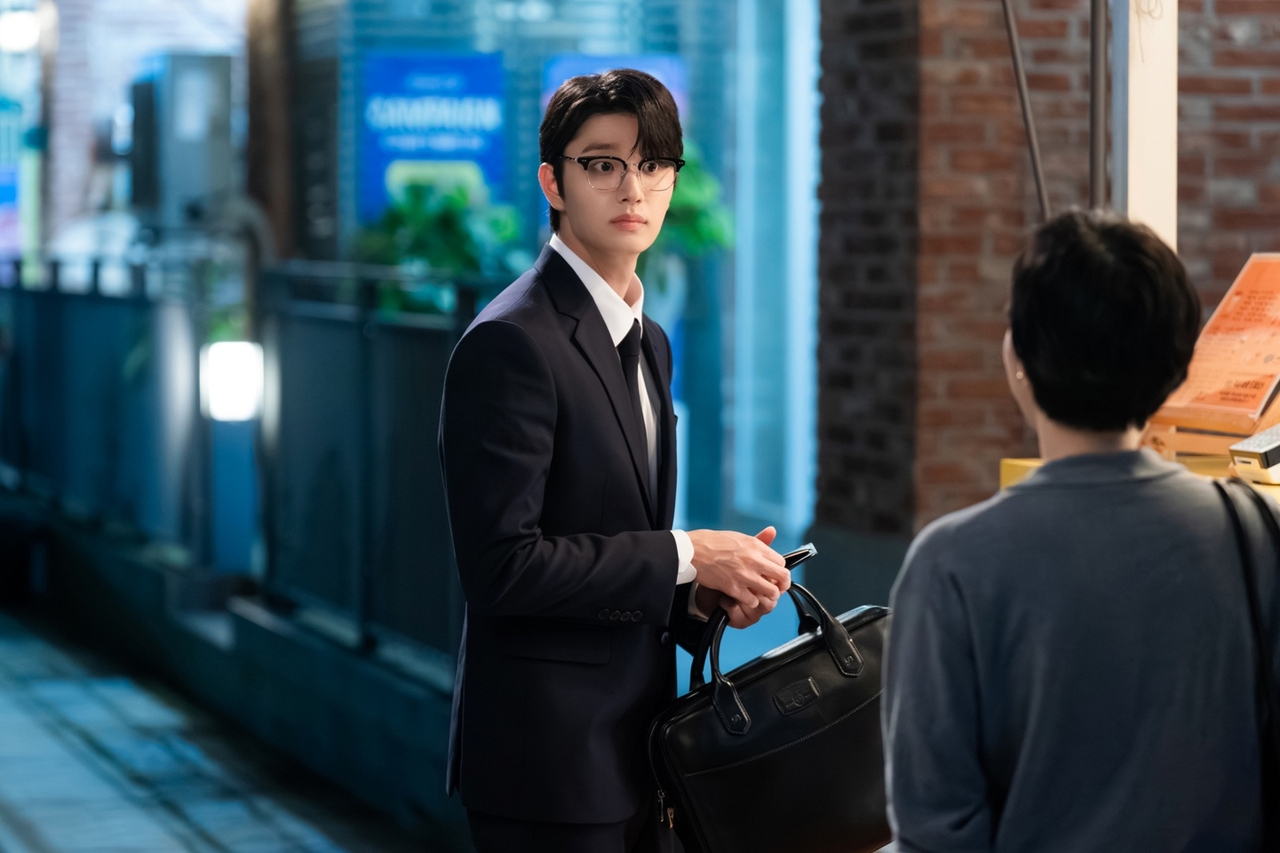
Soon-rok, whom Yu-mi meets with after two breakups, is a calm and reserved publishing editor. He fits the image of what many women today consider an ideal partner — a “homebody” or “nerdy guy,” in other words, a “harmless man.”
Rather than a social life filled with frequent drinking gatherings, he focuses on a single field while moving between home, work and the gym. Instead of aggressively pursuing romance or having extensive dating experience, he gives the impression of someone who would quietly devote himself to one person.
“As most consumers of romance content are working women or those with social experience, the trend has shifted away from idealized romance toward ‘fantasy grounded in reality’ as a key trait,” culture critic Kim Hern-sik said.
Male as supporters
As male leads take on a softer demeanor, they are increasingly portrayed as supporting the female lead’s growth rather than boosting her social status.
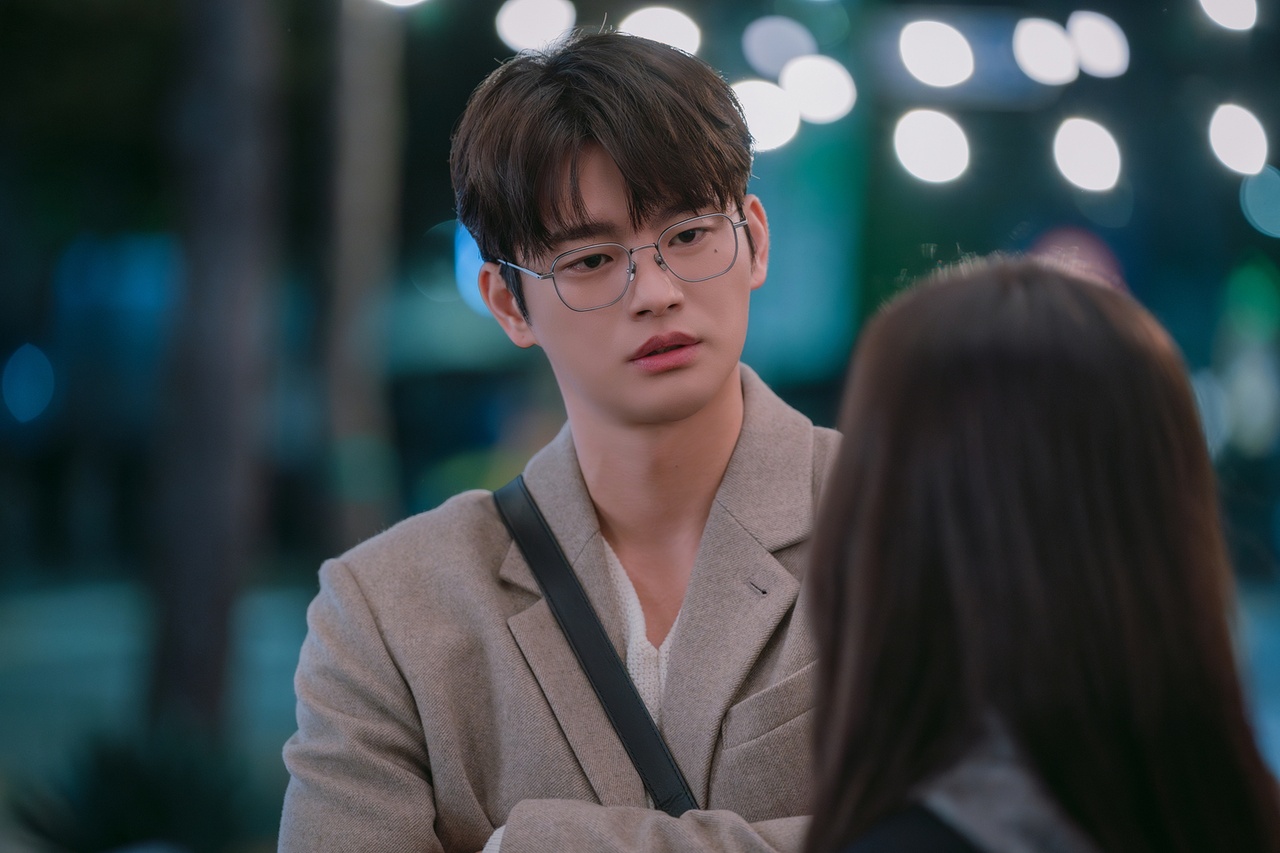
The trend can be seen in Netflix’s “Boyfriend on Demand,” which ranked No.1 globally among non-English shows last month, topping charts in 47 countries.
The male lead, Park Kyeong-nam, played by Seo In-guk, is the female lead's coworker who lacks romantic charm and can even come across as prickly. The female lead, Mi-rae, a webtoon producer played by Blackpink’s Jisoo, experiences relationships with idealized partners through a virtual reality dating service, but ultimately realizes that her true ideal type is Kyeong-nam.
Beneath his blunt, traditionally masculine exterior lies a refined sensibility shaped by his background in fine arts — a contrast that ultimately wins her over.
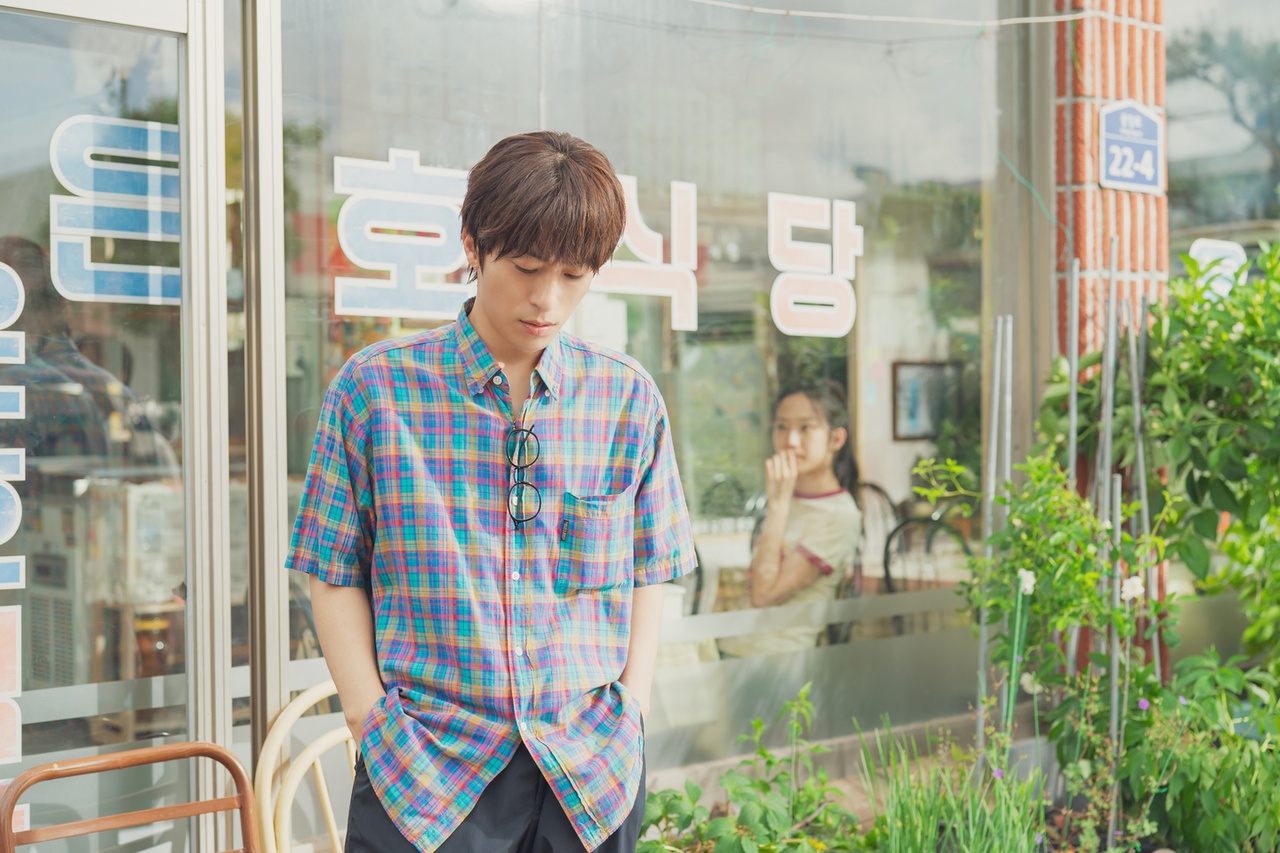
A similar shift appears in the film “Once We Were Us” (2025), an unexpected box office success that portrays a grounded yet tender romance among people in their 20s.
The male lead Eun-ho, played by Koo Kyo-hwan, navigates the hardships of life in Seoul alongside Jeong-won, played by Mun Ka-young, while pursuing his dream of becoming a game developer. Though the two eventually part ways, he continues to reflect a decade later: “What if we had made different choices back then?”
Eun-ho feels like someone who could exist in real life — perhaps on any university campus today. Even after finding success, he remains devoted to his first love.
The film drew 2.6 million viewers, a notable achievement for a romance genre that often struggles to surpass 1 million ticket admissions.
What ties the male leads of “Boyfriend on Demand” and “Once We Were Us” together is their role in shaping the female protagonists’ growth. Kyeong-nam challenges Mi-rae as a workplace rival, pulling her out of her rut, while Eun-ho supports Jeong-won as they pursue their dreams together through difficult times.
“In the past, romance stories often followed a formula in which the female lead achieved upward mobility through the male lead,” culture critic Ha Jae-geun said. “Recently, however, there has been a shift toward stories where the male lead, depicted as a slightly idealized but realistic character, helps the female lead grow.”
No more Cinderellas
Still, the traditional fantasy of the male lead has not completely disappeared.
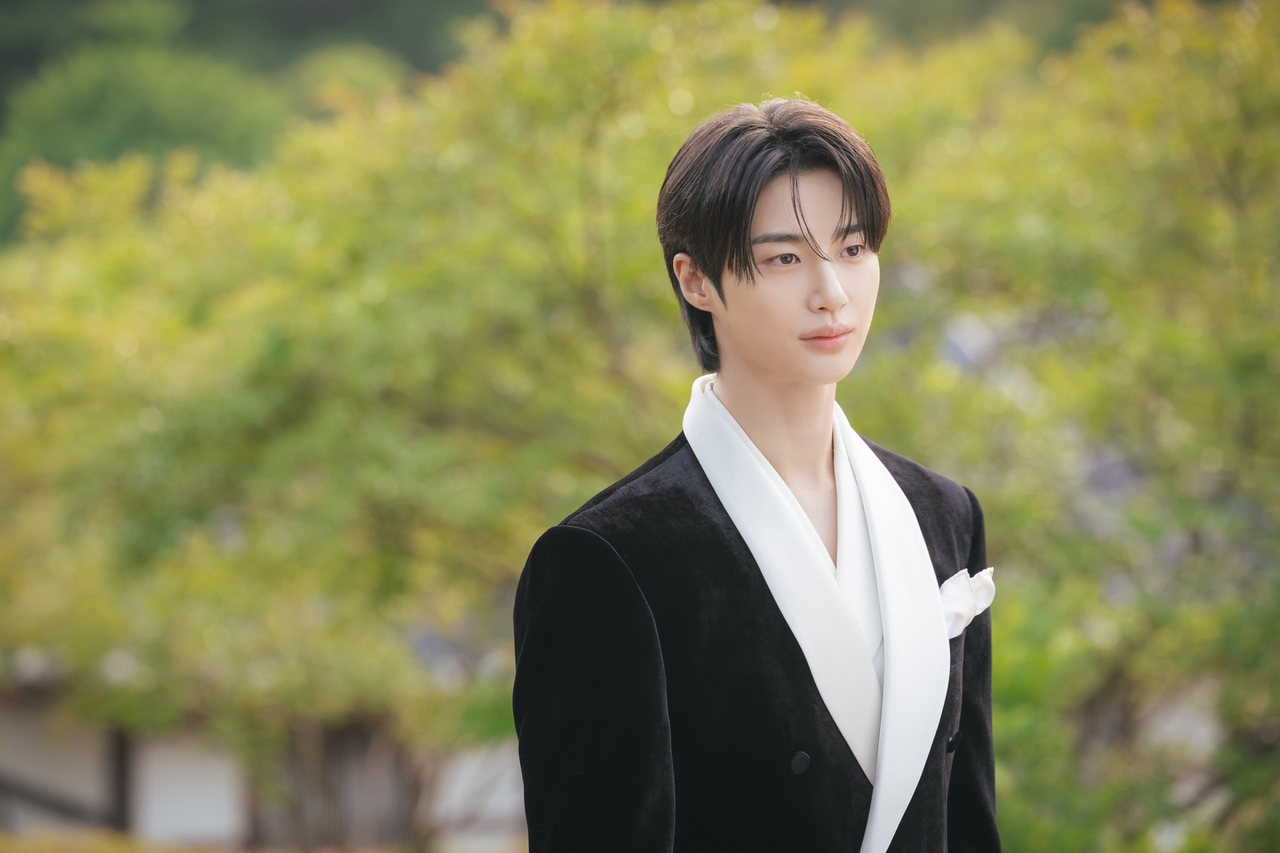
In MBC’s “Perfect Crown,” which surpassed 10 percent viewership ratings, Prince Lee Wan, played by Byeon Woo-seok, is a classic male lead who elevates the female protagonist’s social status.
He displays masculine charm through his dedication to state affairs and hunting, yet reveals vulnerability only to the female lead, Seong Hee-ju, played by IU.
However, unlike past romance stories, Hee-ju is not a Cinderella figure. She is a capable business leader from a wealthy family and a goal-oriented character who actively proposes to Lee Wan.
“Fantasy remains an essential element of romance, but it is often now found in the female lead,” film critic Youn Sung-eun said. “There are also more attempts to break away from traditional roles by portraying characters who possess both status and ability, or by subverting gender roles.”
This article was originally written in Korean and translated by a bilingual reporter with the help of generative AI tools. It was then edited by a native English-speaking editor. All AI-assisted translations are reviewed and refined by our newsroom.
BY JEONG EUN-HYE [kim.jiye@joongang.co.kr]