Park Ji-hoon perfects the idol-actor transition: Who else has and who hasn't?
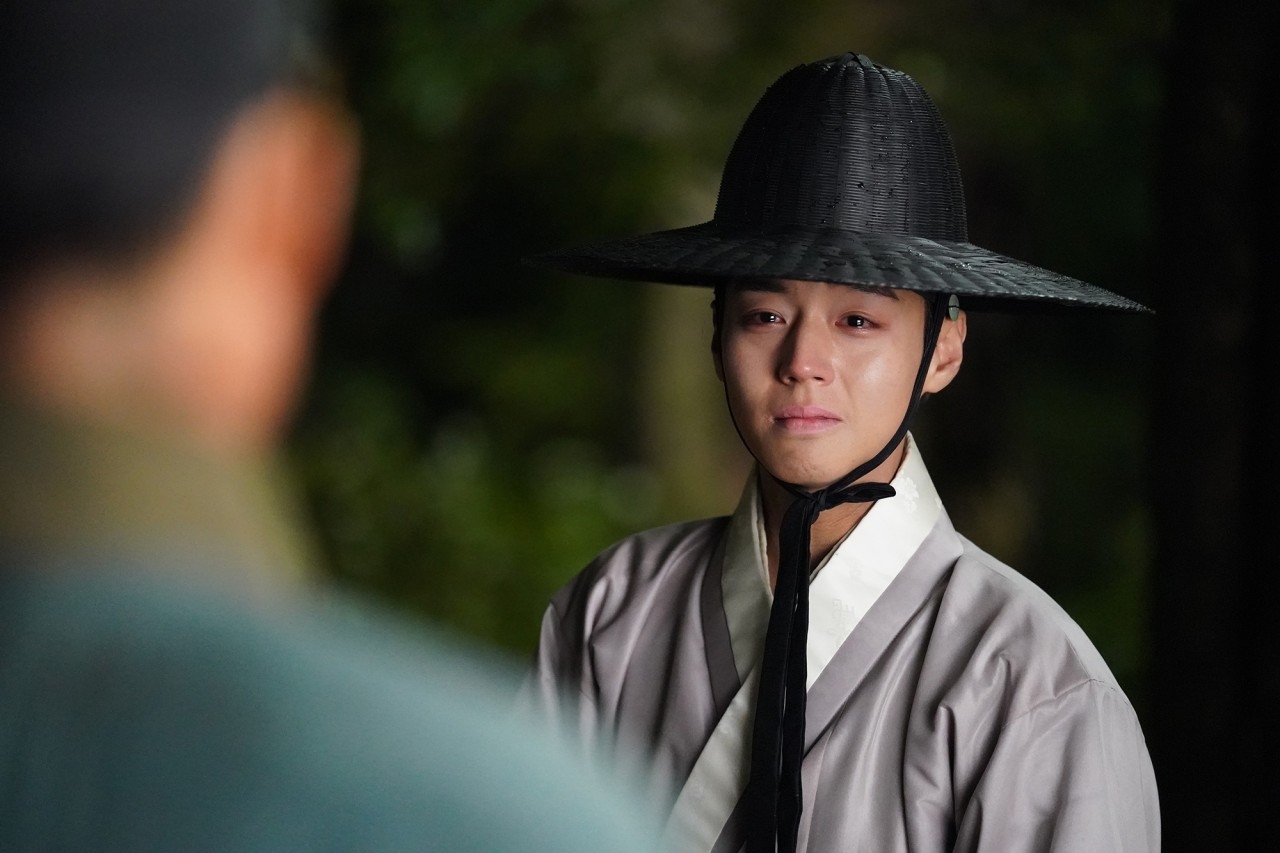
Historical film “The King’s Warden” is currently sweeping Korea’s box office and has become the nation’s first film in two years to surpass 10 million ticket admissions — a benchmark widely considered a major commercial milestone. Powering its popularity are the strong performances of its cast, and one in particular has caught many K-pop fans by surprise: Park Ji-hoon.
Formerly well-known as a K-pop idol, his performance in the hit film has drawn particular attention, reflecting a broader trend of K-pop stars increasingly establishing themselves as serious actors.
Park first captivated the hearts of voters on the K-pop audition show “Produce 101” (2016-17) season 2, finishing in second place and going on to become a member of Wanna One, the project group formed through the show. Prior to his idol debut, he had also briefly appeared as a child actor.
After the band’s contract concluded in January 2019, however, Park gradually stepped away from the K-pop scene to pursue a career in acting.
He appeared in several TV series, such as JTBC’s “Flower Crew: Joseon Marriage Agency” (2019), KBS’s “At a Distance, Spring Is Green” (2021). However, it was his role in the action drama “Weak Hero” (2022–25) that truly began to draw attention to his acting abilities.
And now, he is being widely applauded by his performance as King Danjong (r. 1452-1455), the tragic young royal who ascended to the throne at just 10 years old, only to be dethroned by his uncle, exiled and killed six years later during the Joseon Dynasty (1392-1910).
Online comments praising Park quickly flooded in, with one Naver user writing, “The moment you see his eyes, you get why Park Ji-hoon was cast,” which received more than 12,000 likes, while another commented, “It was my first time seeing the actor who played King Danjong, and I already feel like he’ll become a great actor.”
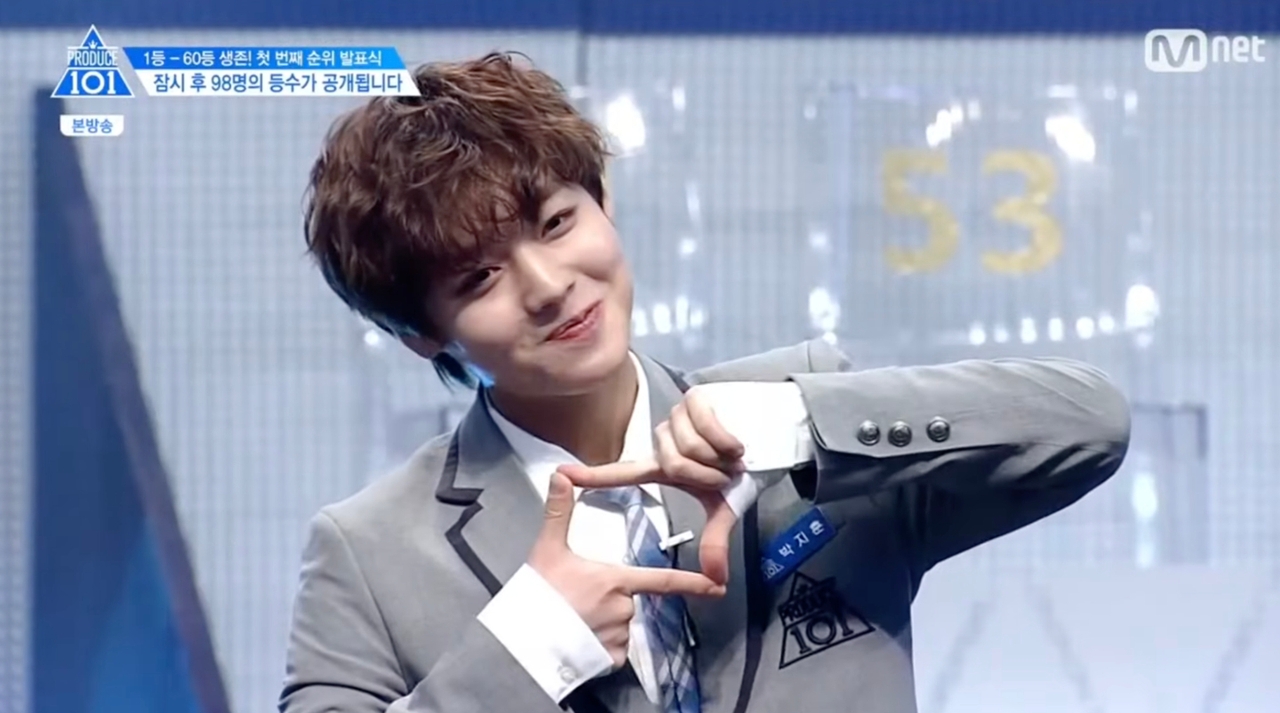
Such responses evidently suggest that Park has overcome the skepticism that often surrounds idols transitioning into acting. Even the film’s director Chang Hang-jun noted in an interview that he cast Park without knowing about his background as a K-pop idol.
“Had I seen ‘Produce 101,’ I might not have been drawn to him because of his idol image,” Chang said in an interview in January. “But I approached him simply as an actor, which allowed me to see him without any bias.”
Such hesitation toward idol-turned-actors still exists. Yet Park is among the growing number of performers who are redefining themselves through a successful second career in acting, while others are still in the process of finding their footing.
Soaring successfully as an actor
One major hurdle that many idol-turned-actors must overcome is the widespread prejudice that they do not take acting seriously or lack the necessary skills. Despite this, they are often cast in leading roles in high-profile productions, and when their performances fall short of expectations, they become the target of severe criticism. Yet some performers have managed to break through that bias, proving to audiences that they can succeed both on stage and on screen, such as Doh Kyung-soo, Yim Si-wan and IU.
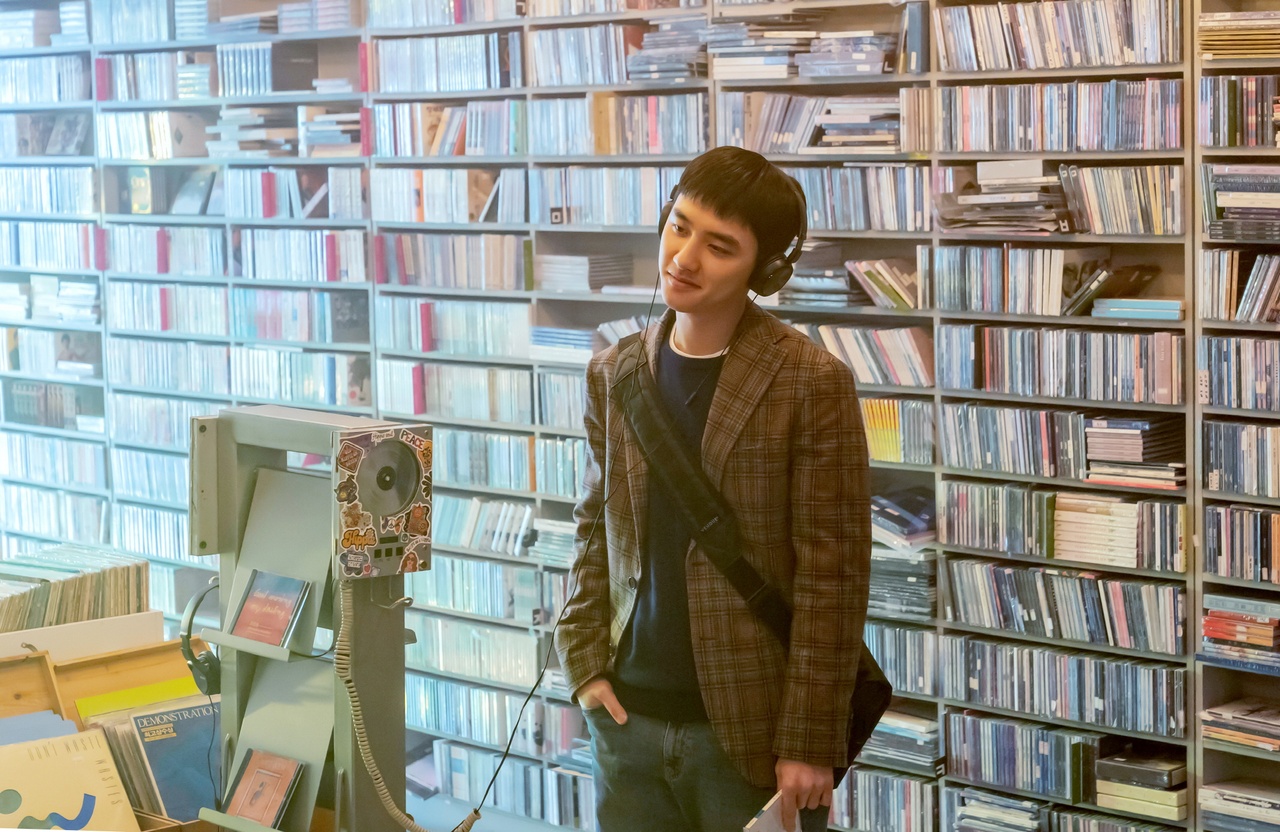
Before being widely recognized as an actor, Doh was known to fans as D.O., the main vocalist of the boy band EXO. He debuted in 2012 as part of the band under SM Entertainment, one of the largest K-pop agencies in Korea.
At the peak of its fame with the hit song “Growl” (2013), Doh started a new challenge as an actor in 2014, which started off on a good note. Though he was just beginning his acting career, Doh quickly gained recognition for his performances in the 2014 film “Cart” and the SBS drama “It’s Okay, That’s Love” (2014). Critics named him one of the most notable rookie actors of 2014, and he was also voted the most promising idol-turned-actor by a panel of 100 critics.
Since then, his K-pop background has not hindered his acting career but rather become an advantage, allowing him to build a unique identity as both a singer and actor. He has continued releasing music while also appearing in various film and television projects. His most recent screen appearance was in Disney+’s “The Manipulated” (2025).
“Doh Kyung-soo’s strength is that he’s an idol,” said director Kang Hyoung-chul, who worked with Doh in his film “Swing Kids” (2018). “At a time when idols who couldn’t really act often became victims of commercial casting, he proved what a new type of actor, one born from the idol platform, could look like.”

Another prominent example is Yim, who is now more widely known as an actor. Yim first debuted in 2010 as a member of boy band ZEA, known for songs such as “Mazeltov” (2010) and “Aftermath” (2012).
Yim first began his acting in MBC’s hit period series “The Moon Embracing the Sun” (2012), but started to cement his status as an actor when he was highly praised for his performance in “The Attorney” (2013) — his first big-screen appearance — which drew over 10 million moviegoers. Following the record, he became the first actor to surpass the milestone in his feature film debut.
The tvN’s hit drama “Misaeng” (2014), in which he portrayed Jang Geu-rae, a rookie employee navigating the corporate world, resonated strongly with viewers and marked a turning point in establishing him as a serious actor.
Since then, Yim has become more active in a wide range of projects, including the crime film “The Merciless” (2017), which made him the first idol-turned-actor to enter Cannes, and the second and third seasons of Netflix’s hit series “Squid Game” (2021-25).
“The K-pop idol turned actor plays Myung-gi’s [Yim’s role in ‘Squid Game] ambiguities — and loathsome undercurrents — with unnerving precision,” noted Hollywood Reporter of his “Squid Game” performance.
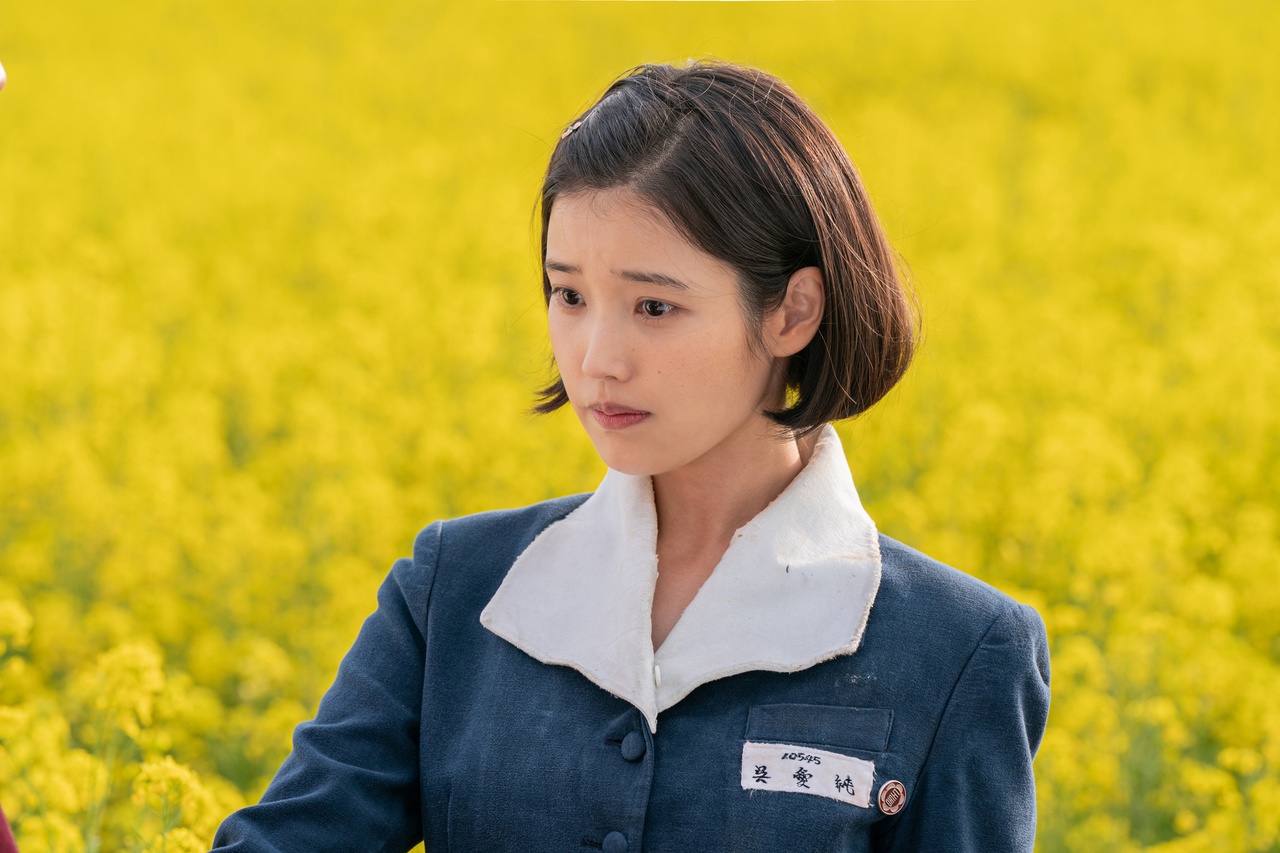
Though IU may be an obvious singer to many K-pop fans, many global viewers who first encountered her through K-dramas, such as “Hotel del Luna” (2019) and “When Life Gives You Tangerines” (2025), might not know so.
After debuting as a solo idol in 2008 with “Lost Child,” a rather dark ballad, she failed to capture the public’s attention. Her breakthrough came two years later with “Good Day” (2010), which dominated music charts and swept numerous awards in 2011. The song was even selected as the No. 1 song of the year by Koreans in a 2011 Gallup Korea survey.
While rising to the top of her music career, IU began another chapter as an actor, making her acting debut in KBS’s high school musical drama “Dream High” (2011), which drew strong attention. Since then, she has appeared in numerous television series, many of which have ended on a high note.
Although IU achieved steady success with her projects, her early acting performances drew some criticism. But what ultimately silenced those doubts was her role in tvN’s series “My Mister” (2018), in which she played Lee Ji-an, a darker, more complex character than in her previous roles.
From there, her acting has rarely been questioned, and she has since expanded her career into film as well. Most recently, she won several awards, including Best Actress at the Blue Dragon Series Awards last year, for her performance in Netflix’s “When Life Gives You Tangerines,” where she plays a dual role as Oh Ae-sun and Ae-sun’s daughter Yang Geum-myeong.
“IU has great instincts as an actor,” said director Hirokazu Kore-eda, who worked with her in his film “Broker” (2022). “She’s very good at picking up on nuances, and once you give her a bit of direction, she delivers the performance almost like she’s found the exact answer. What impressed me most was how quickly she gets there.”

In progress
The K-pop world is already demanding enough, yet many K-pop idols still dream of venturing into acting.
“I want to try everything I can as a celebrity,” said Karina of aespa during a YouTube content with TV personality Jonathan. “That way, when I retire, I won’t have any regrets. That’s why I tried variety shows and I’d also like to try acting in the future.”
However, an idol's process of being accepted by the public as an actor is not always smooth, as performances often come under strict scrutiny during the transition. Some are currently facing that challenge while continuing to grow in the field.
Blackpink’s Jisoo has been the most active in pursuing acting in Korea, though among the group’s four members, three — Jennie, Lisa and Jisoo — have explored the field.
Jisoo began her acting career in 2021 with JTBC’s drama “Snowdrop.” Despite it being her debut role, many viewers criticized her performance, leaving comments such as, “Even if the choice to cast her was for the sake of making a successful show, her acting is seriously lacking.”
However, as she has taken on new projects, the response has gradually begun to shift, though opinions about her acting remain mixed. The producer of her latest Netflix project, “Boyfriend on Demand,” noted her dedication, saying he had witnessed how “hard work can beat talent.” TIME Magazine also wrote that the recent Netflix show was “powered by Jisoo in her best-suited acting role yet.”
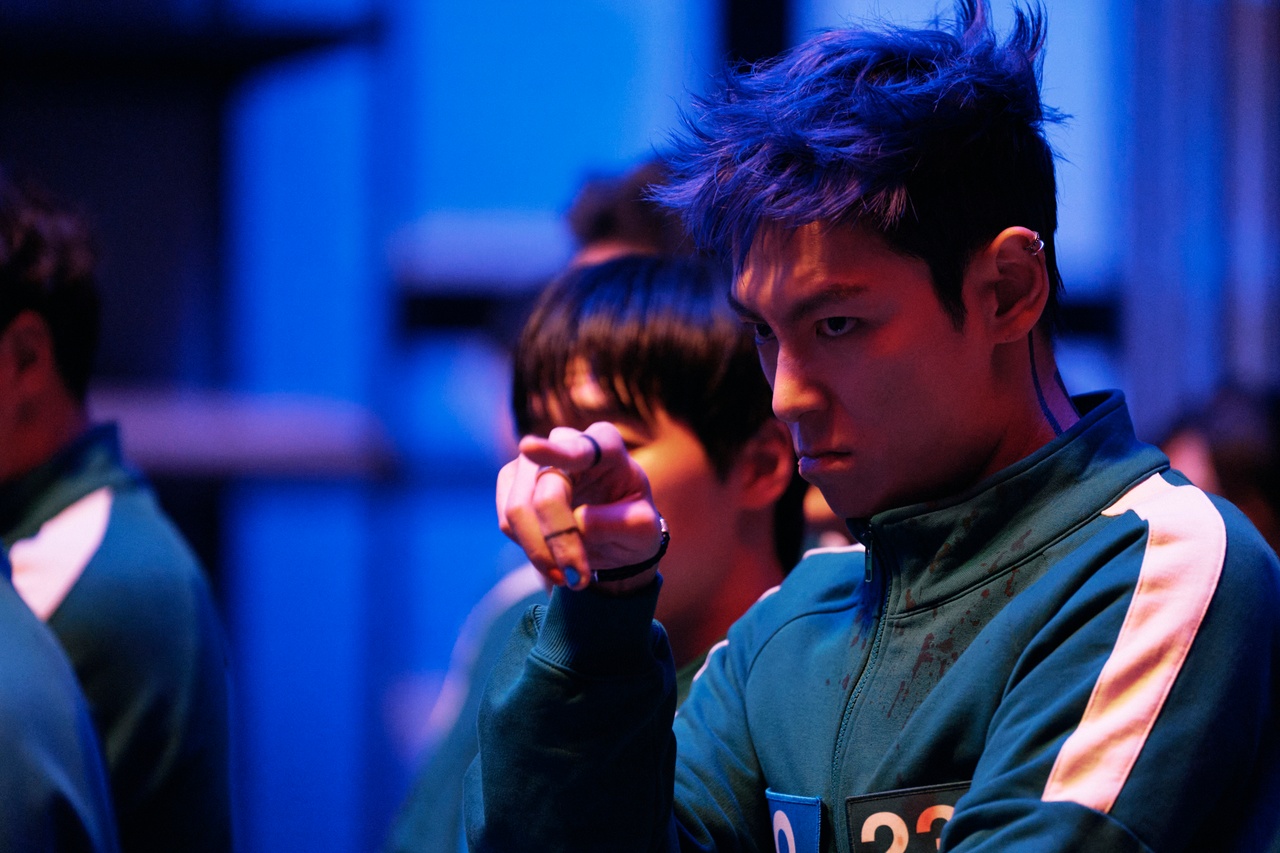
Known for his deep voice, the former Big Bang member, T.O.P., who uses his real name Choi Seung-hyun as an actor, debuted as a rapper in 2006.
He began his acting career in 2007 with KBS’s drama “I am Your Teacher” and has since built a filmography spanning both television and film.
His performance in the film “71: Into the Fire” (2010) earned him rookie awards at both the Blue Dragon Film Awards and the Baeksang Arts Awards — two of Korea’s most prestigious film ceremonies.
Online comments also praised his performance, with viewers writing, “T.O.P. proves he is more than capable as an actor,” and “T.O.P.’s performance really touched me.”
Despite early praise for his acting, the response shifted when he appeared in Netflix’s “Squid Game,” playing Thanos, a retired, drug-addicted rapper who joins the deadly game.
The performance drew heavy criticism from some viewers, who felt he exaggerated the character. However, the show’s creator Hwang Dong-hyuk defended the portrayal, explaining that the exaggerated acting was intentional and meant to give the character a “cartoonish vibe.”
For now, the rapper-slash-actor continues to receive mixed reactions.
Away from acting
While some idol-turned-actors continue to pursue their acting careers despite criticism, others have stepped away from the field after facing controversy over their acting.
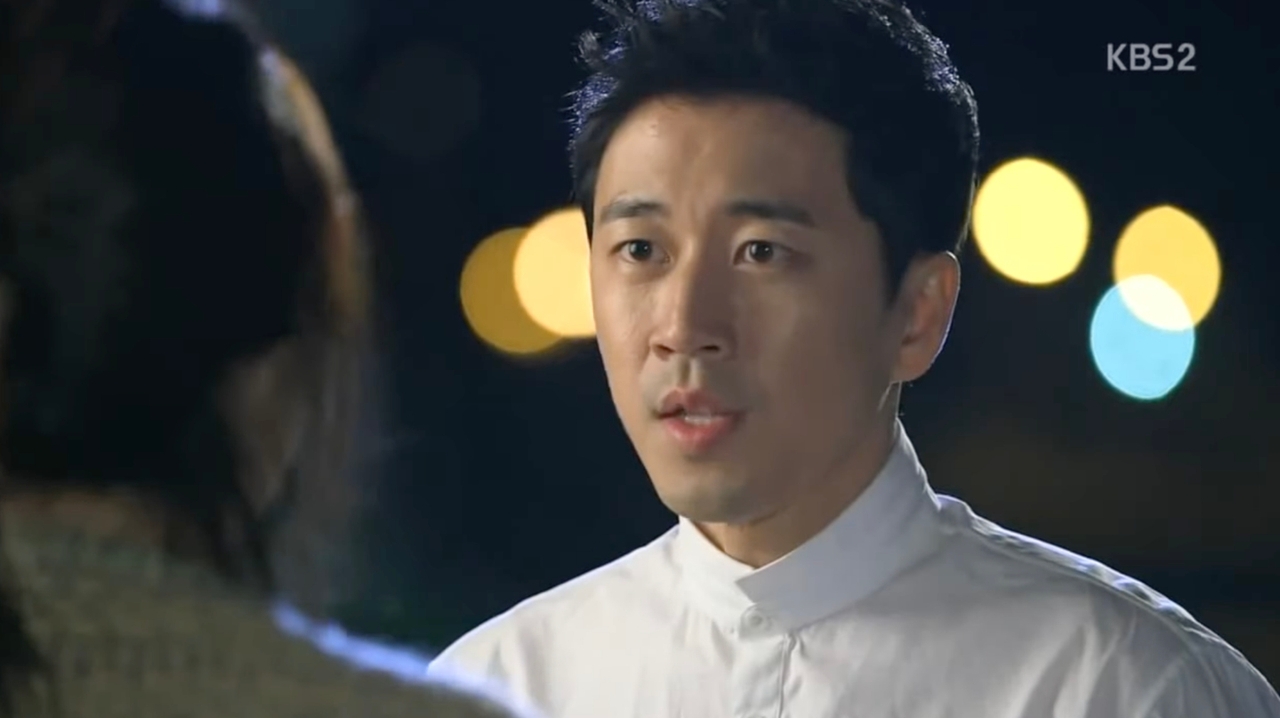
One example that even went viral is Jang Su-won of Sechskies, one of the so-called “first generation” K-pop boy bands. Debuted as a singer in 1997, he made his acting debut in 2013 in a short episode of KBS’s “Marriage Clinic, Love & War” (1999-2014).
His performance in the episode was widely labeled as “robot acting,” a nickname given due to his emotionless expressions during the scene. The scene quickly went viral online and became a comedic meme, ironically leading him to more appearances on variety shows. However, since that attempt, he appears to have stepped away from acting, as he has not pursued further acting projects.
Singer Lee Hyo-ri is also another example who briefly stepped into acting but has not returned to the screen.
Lee debuted as a member of Fin.K.L in 1998 and launched her acting career in 2005 with the SBS drama “Three Leaf Clover,” in which she played the lead role. Despite being the main lead, Lee faced major criticism for her acting, and the drama was eventually cut short due to low ratings.
Lee herself later acknowledged her poor performance during a YouTube appearance on the show “Pinggyego.” She admitted she was not fully prepared for acting and said the criticism she received was something she had brought upon herself.
She, however, did later appear as the lead in SBS’s one-act drama “If in Love… Like Them” (2007), which also became controversial. Since then, she has focused primarily on her music and television career.
BY KIM JI-YE [kim.jiye@joongang.co.kr]