'Reminder not to get lazy': Time and patience underscores chef's series-winning dish on 'Culinary Class Wars'
Warning: The article may contain spoilers.
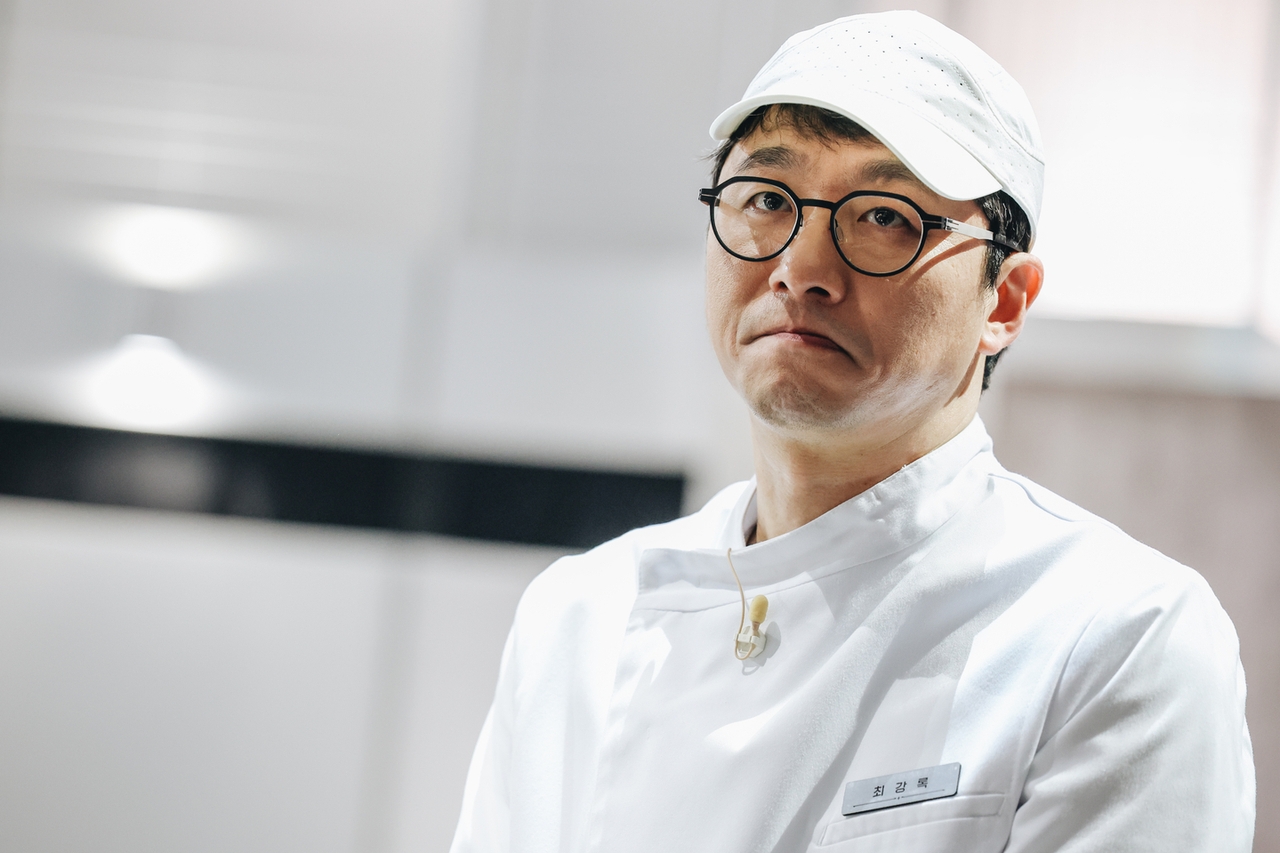
The second season of “Culinary Class Wars” (2024-) concluded with the crowning of its winner, chef Choi Kang-rok. Having appeared in the first season, Choi returned to the nerve-wracking kitchen battle show, candidly admitting that he initially worried his final dish might not be suitable for the finale, even referring to it as something akin to a “staff meal.”
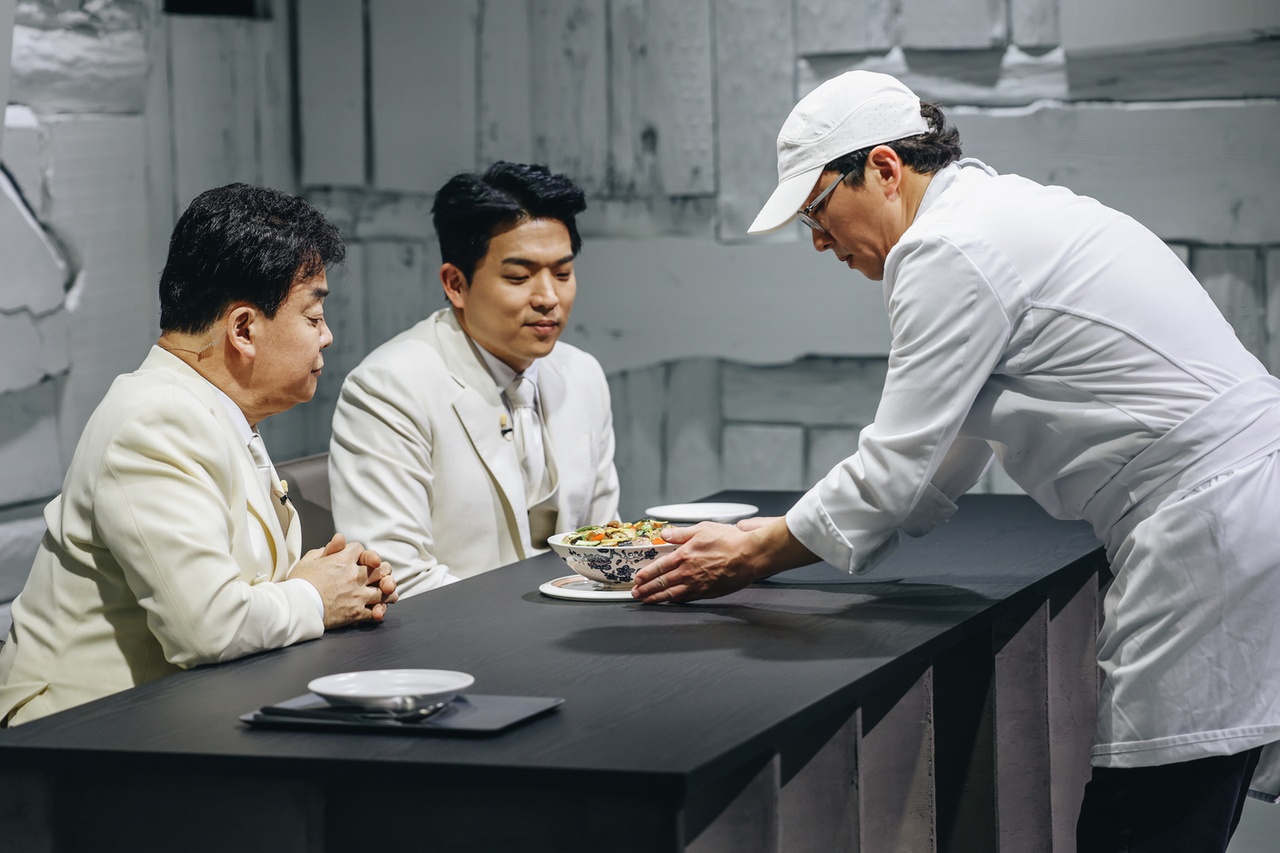
In the final round, chef Choi faced off against Black Spoon chef Culinary Monster, whose real name is Lee Ha-sung. Choi presented a soup with sesame tofu, a dish that earned unanimous approval from both judges, restaurateur Paik Jong-won and chef Anh Sung-jae, bringing the competition to a close.
The dish was demanding, as he had to stir the tofu by hand for over 20 minutes during the 90-minute round. He later explained that the dish served as a form of self-examination and reflection.
“I think every dish carries a bit of meaning for the chef who makes it,” Choi said during an interview with reporters at a cafe in central Seoul on Friday. “For me, sesame tofu is a reminder not to get lazy. As you get older, you stop making certain dishes because your body starts to hurt. There are dishes that make you check yourself, that make you think, ‘I used to make this so easily.’ Sesame tofu is one of those dishes for me.
“It used to feel effortless when young, but as I’ve gotten older, it’s become much harder. Making this dish made me reflect on what it means to me, and I wanted to present it and be judged.”
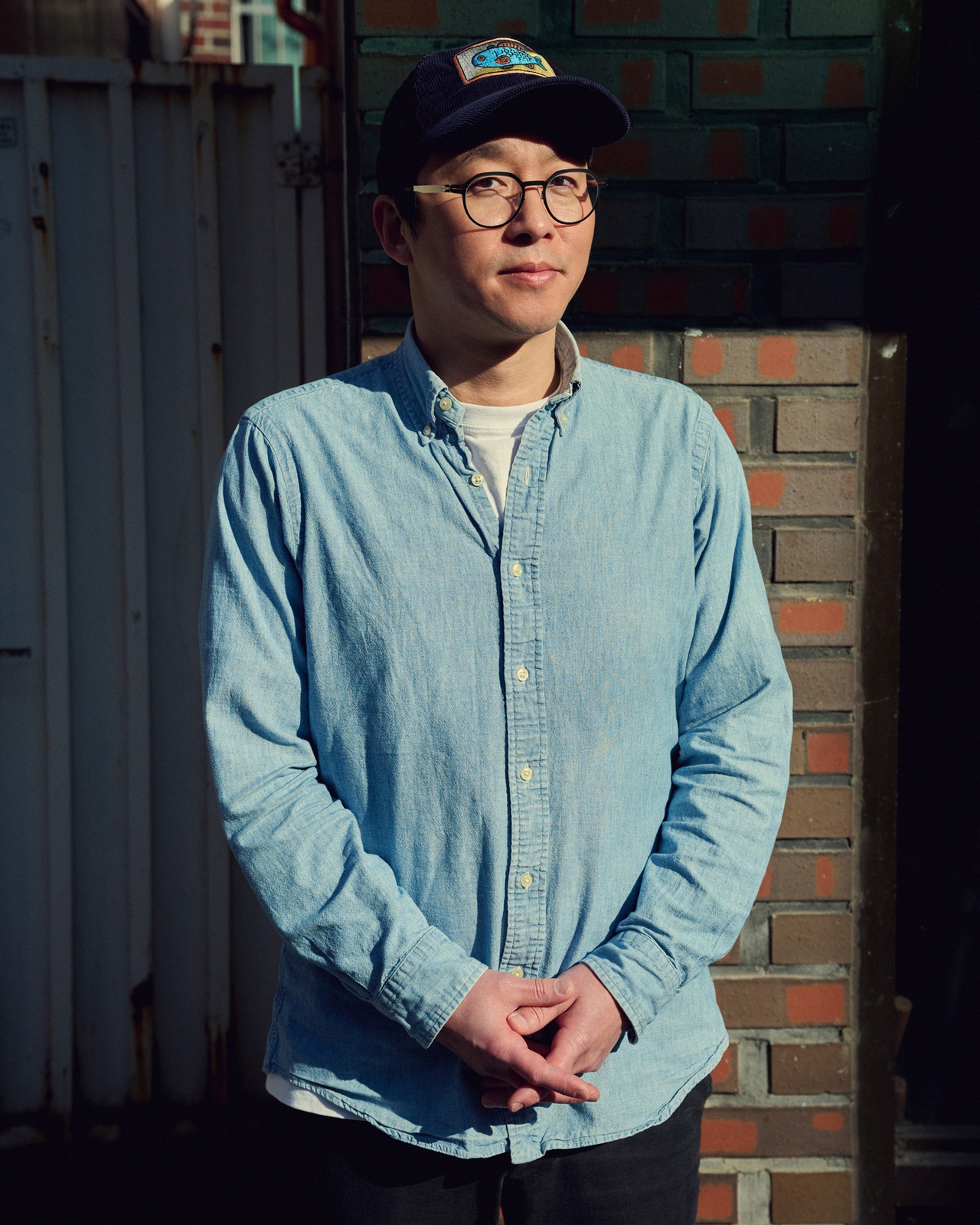
When asked about his victory, he said the experience will be “a reason for him to live the next 10 years.”
He also shared his plans for the 300 million won ($203,825) prize money.
“I plan to use the prize money to help open a noodle shop in the later years of my life,” he said.
Although Choi emerged as the winner, the show also marked his return to the high-pressure culinary battlefield he had already experienced in the previous season. He was introduced as one of the season’s “hidden” White Spoon chefs, alongside chef Kim Do-yun, which was a concept newly introduced in this season.
Choi said his decision to return was driven by the thrill of the survival-style competition.
“It really gives you a dopamine boost,” he said. “I don’t think there are many big stages like this in life — places where you can put on a mask and step out. If a stage like that exists, and if the opportunity comes along, I think it’s worth taking.”
But he jokingly said he wouldn’t have participated if he'd known how he would appear, being thrust straight under bright lights the moment he was introduced.
Returning to the show also came with a sense of responsibility, he said. “So many people around me wanted to be here, and as someone who had already been on the show once, I felt a responsibility coming back. I didn’t know how far I’d go, but I wanted to make it as far as possible before leaving. That was my mindset.”
Choi added, “In my own mind, the team round was my final. I figured if I made it through that, I’d worry about the rest later.”
The chef first came into the public eye after appearing on another cooking survival show, “Master Chef Korea” (2012-16), in 2013, where he also won. He also appeared in shows like “Please Take Care of My Refrigerator” (2014-). During his appearance, the chef always showed a deep, genuine passion toward cooking. Despite this, he revealed that his culinary journey began from a very different place.
“I chose cooking as a way to make a living,” Choi shared. “I started out thinking, ‘This is what I’ll do for business,’ and began working with food from that perspective. But somewhere along the way, it ended up taking me in the opposite direction.”
Known for his expertise in braising, Choi has earned nicknames such as “Mr. Braise” and “Serial Braiser.” His affection for the technique aligns with his philosophy of cooking as “art shaped by time and patience.”
However, he admitted that he always has a sense of jealousy toward a specific culinary genre: Chinese cuisine.
“Honestly, I really admire the dynamic-looking backs of the Chinese chefs,” he said. “Japanese cuisine tends to be more restrained and still. People often say Japanese cooking is about water, while Chinese cooking is about fire. Deep down, there’s a part of me that wants to cook with that kind of fire.”
After the first season of the hit cooking survival show ended, many viewers flocked to the chefs' restaurants. But Choi walked away just as things were taking off, shutting down his restaurant and sparking rumors that he did so because of his shy personality. He said, surprisingly, that there was no special reason behind it, rather a practical one.
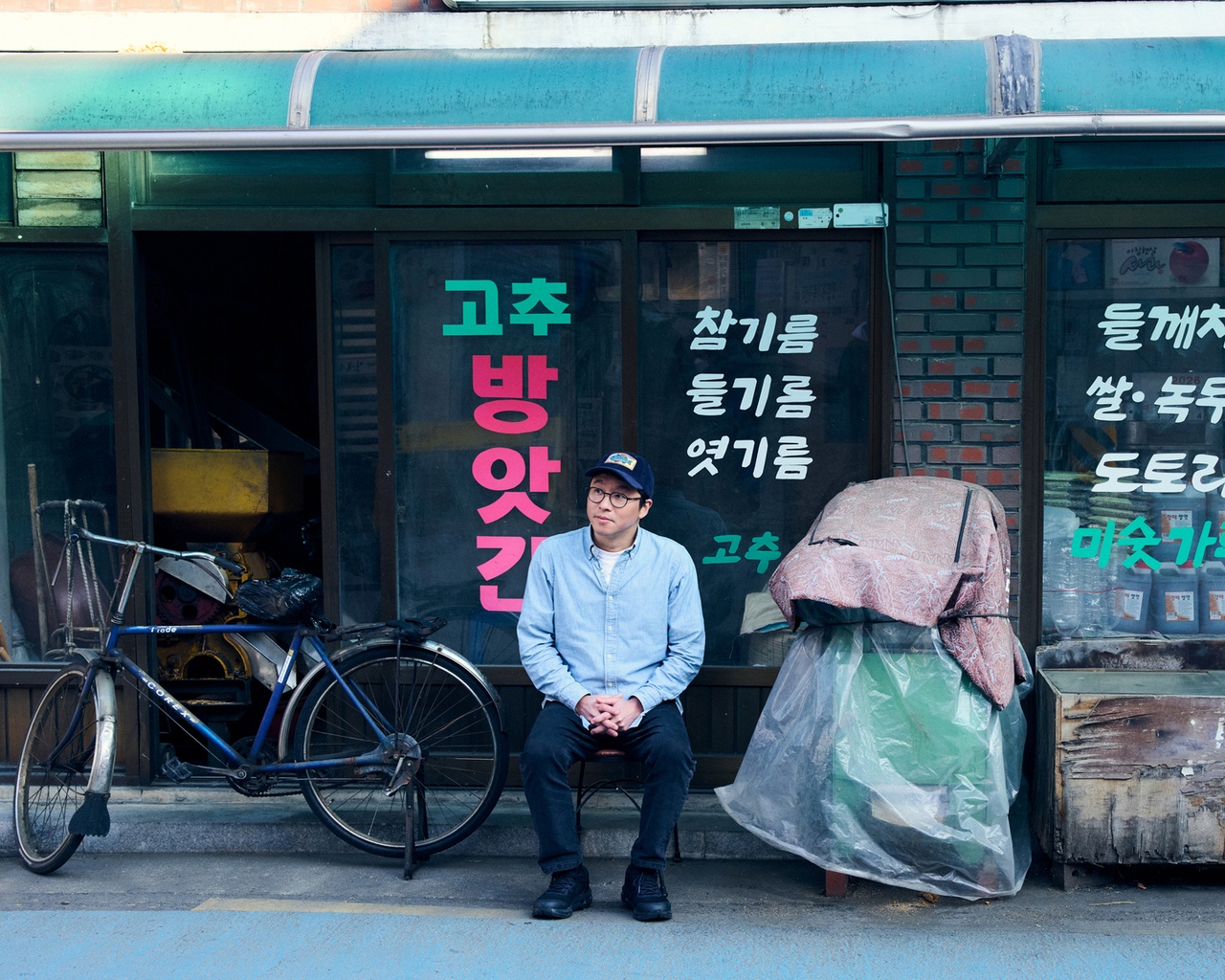
“The reason I closed the restaurant was simply because the lease period was up,” he said. “There wasn’t any other reason. The contract had a set end date, and around that time, ‘Culinary Class Wars’ season one did well, so it’s true that more customers started coming in. Luckily, I had an exit plan in place, so I was able to close the restaurant naturally in line with that timing.”
As for whether he plans to open another restaurant anytime soon, Choi was clear.
“I have a small restaurant in mind as part of my plan for later in life,” he said.
He added that he is not planning collaborations with companies — a common route for chefs from the show — explaining simply, “I don’t want to spoil the [viewers'] good memories.”
BY KIM JI-YE [kim.jiye@joongang.co.kr]