'I just love them': Team Mongolia from Netflix's 'Physical Asia' wins hearts from Korean audiences
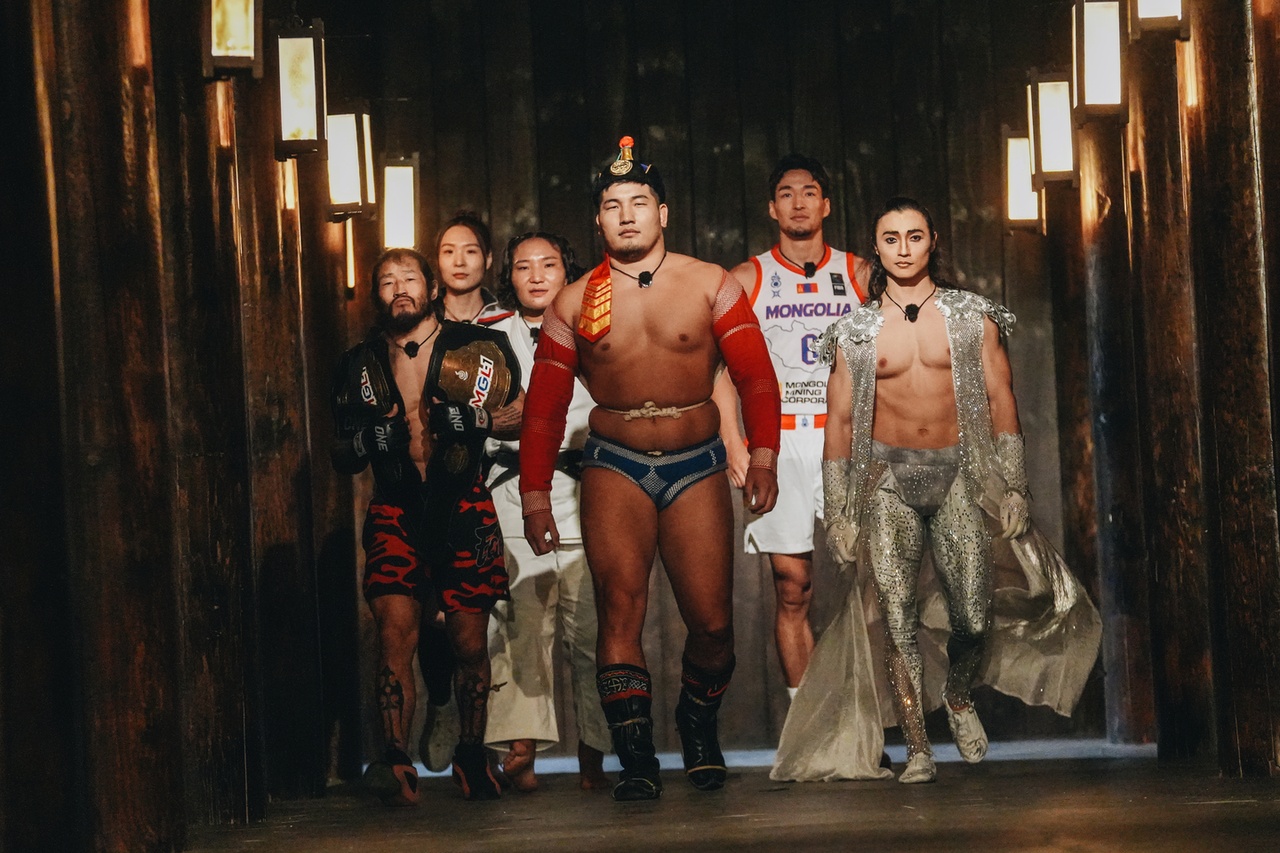
When Netflix’s “Physical: Asia” — an Olympic-like tournament where teams from eight countries from the Asia-Pacific region compete against each other in strength and endurance challenges — first premiered, few expected Team Mongolia would become the breakout favorites.
However, soon after the show debuted, social media was flooded with comments, hashtags and even video edits featuring the Mongolian athletes, ranging from fan art to detailed breakdowns of the contestants’ skills.
One comment that received more than 800 likes on YouTube said, “I’m Korean, but the Mongolian contestants were so charming and I couldn’t help but be drawn to them. They have some kind of power to make me root for them. Just by watching them, my heart races and I even want to visit Mongolia someday. Anyway, they’re just truly likable.”
In addition, even casual interactions between the Mongolian and Korean contestants were enough to spark online buzz.
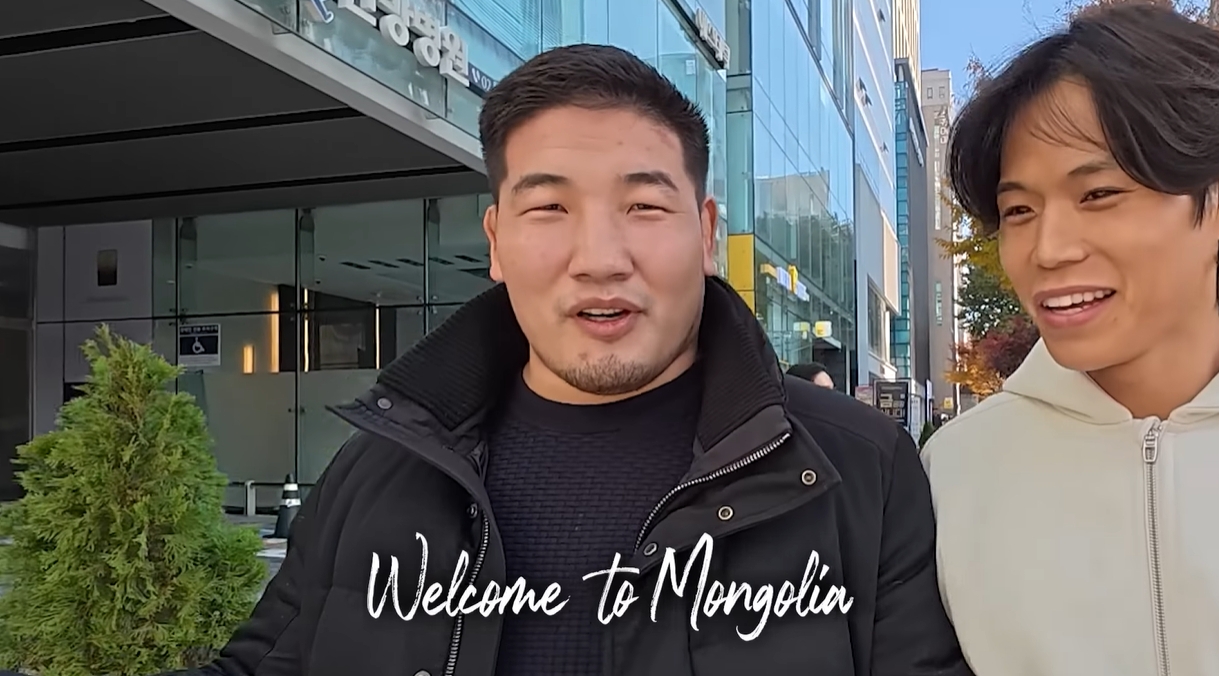
Amotti from Team Korea recently uploaded a collaboration video on his personal YouTube channel with Team Mongolia’s leader Orkhonbayar Bayarsaikhan and Team Australia’s Eddie Williams, which went viral on his channel. The clip has now reached nearly 2 million views, roughly four times higher than the views on his other “Physical: Asia”— related content.
The video’s comments also flooded in, many mentioning Mongolia and urging the Korean contestant to visit the country after Bayarsaikhan gifted Amotti a bottle of Mongolian vodka and silver shot glasses. Korean viewers later learned that this gesture represents respect and friendship in Mongolian culture.
Fans also playfully advocated for Korean wrestler Jang Eun-sil and Mongolian MMA fighter Enkh-Orgil Baatarkhu to date, after he posted an Instagram story showing interest in her. Their actual in-person meeting clip in Mongolia later surpassed 8 million views on Instagram.
Interest, moreover, soon expanded beyond the show and its cast, with some viewers posting inquiries about traveling to Mongolia after watching it.
All this led the streamer to put together a spinoff, “Physical: Welcome to Mongolia,” which follows Team Korea leader Kim Dong-hyun and Amotti as they travel through Mongolia on an itinerary created by Bayarsaikhan himself. Mongolian circus artist Lkhagva-Ochir Erdene-Ochir is also set to appear in the upcoming spinoff, which will be released on Christmas Eve.
It is evident that Team Mongolia's respectful attitudes, calm demeanor and undeniable physical dominance have won the hearts of Korean viewers, but there might be more to this support beyond merely appreciating the competition.
Quiet but strong
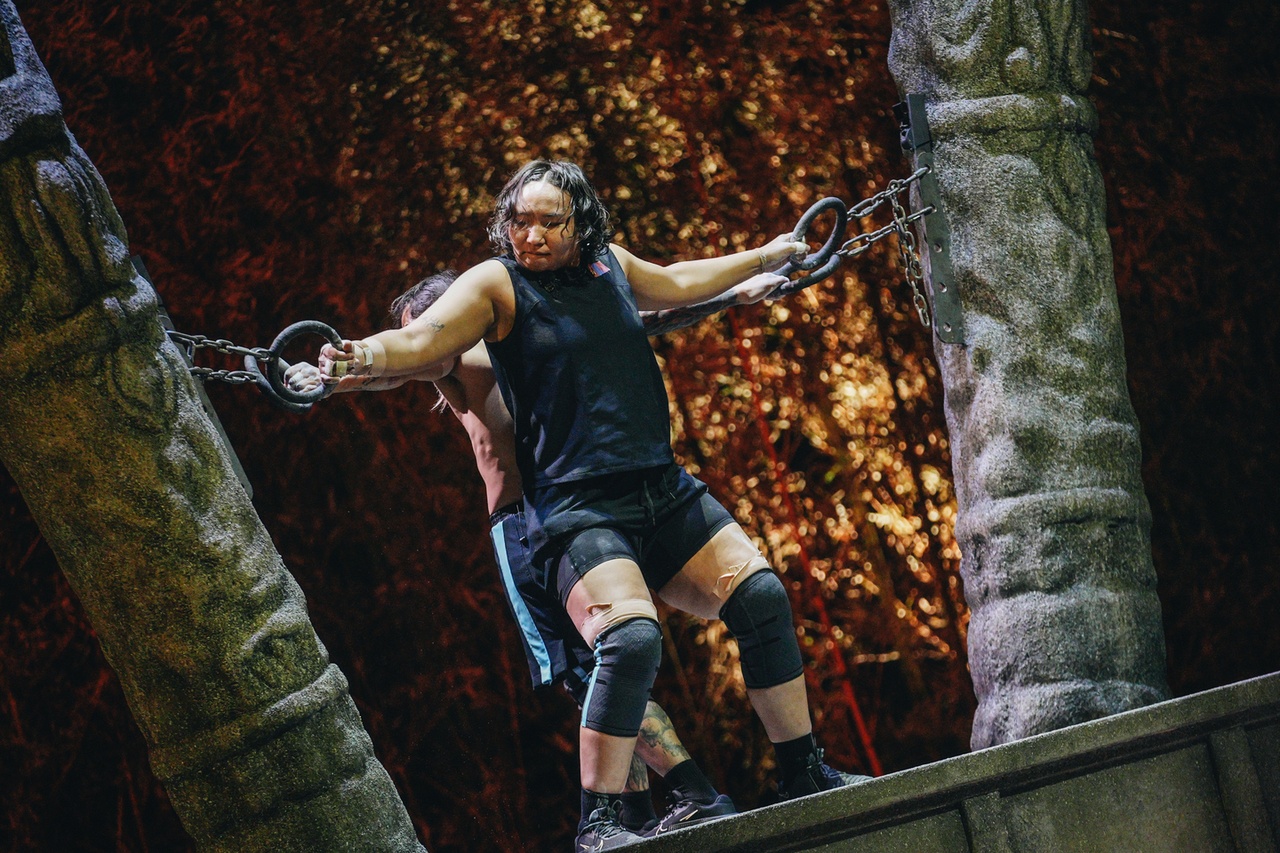
Team Mongolia entered the show as somewhat of an underdog at the beginning of the show, with much of the early spotlight focused on Australia and Japan. For Korean viewers in particular, interest was naturally directed toward the longtime Korea-Japan rivalry, a dynamic shaped by cultural and historic context. As a result, Mongolia wasn’t able to attract the same level of attention at first.
However, it gradually changed as the program moved forward, and it was during the second quest that Team Mongolia started to step more into the limelight, after finishing third overall behind Korea and Australia in the tough challenge of moving heavy wooden crates and sacks across a shipwreck set. They demonstrated strong stamina, discipline and teamwork, capturing the hearts of Korean viewers.
Experts say this element of unpredictability boosted the Korean audience engagement, especially as the team continued advancing step by step.
“Before the show, Mongolia wasn't as widely recognized in Korea compared to the other countries, but as the team delivered far better results than expected, they stepped into the role of an underdog,” pop culture critic Seong Sang-min said. “I think that unexpected success is exactly what made people root for them.”
Another pop culture critic, Ha Jae-geun, also echoed the sentiment. “At first, the Mongolian team didn’t necessarily look like the strongest contender. But as the competition went on, they revealed impressive grit and strategy, taking down teams that seemed much more powerful and that naturally made people cheer for them.”
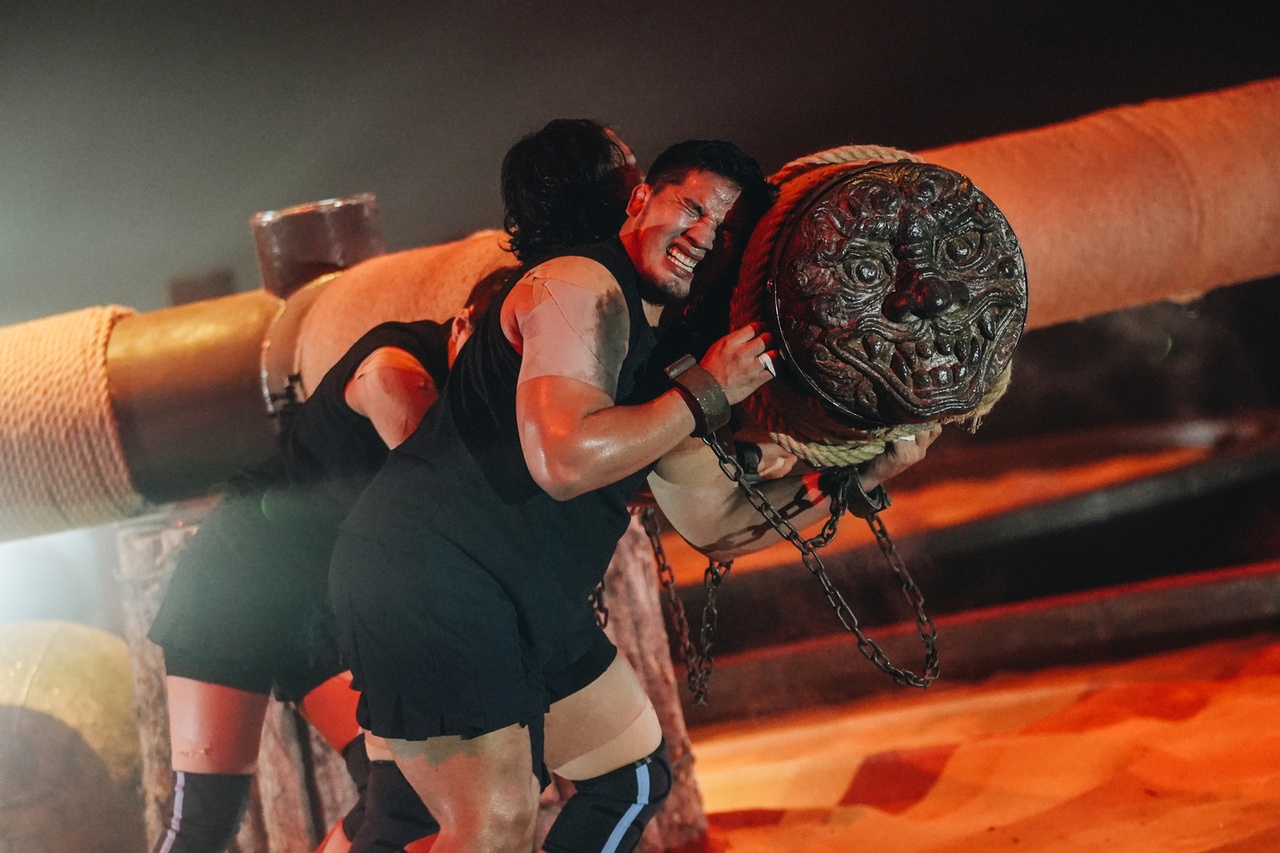
That level of resilience struck a chord with Korean viewers and even with the show’s producer, Jang Ho-gi. The team also earned nicknames online like “Giants of the Steppe.”
“Mongolia was the team every country feared,” the producer said during the show’s press conference in October. “They dominated the arena with the spirit of warriors and overwhelming physical power.”
What impressed many Korean viewers even more was not just their strength, but their character: no arrogance, no scheming, no unnecessary rivalry — just teamwork, respect and quiet determination.
Online comments captured the sentiment, saying, “They don’t show off, they don’t mess with other teams, and they work together flawlessly,” and “I just love them, but I don’t know why.”
A sense of similarity
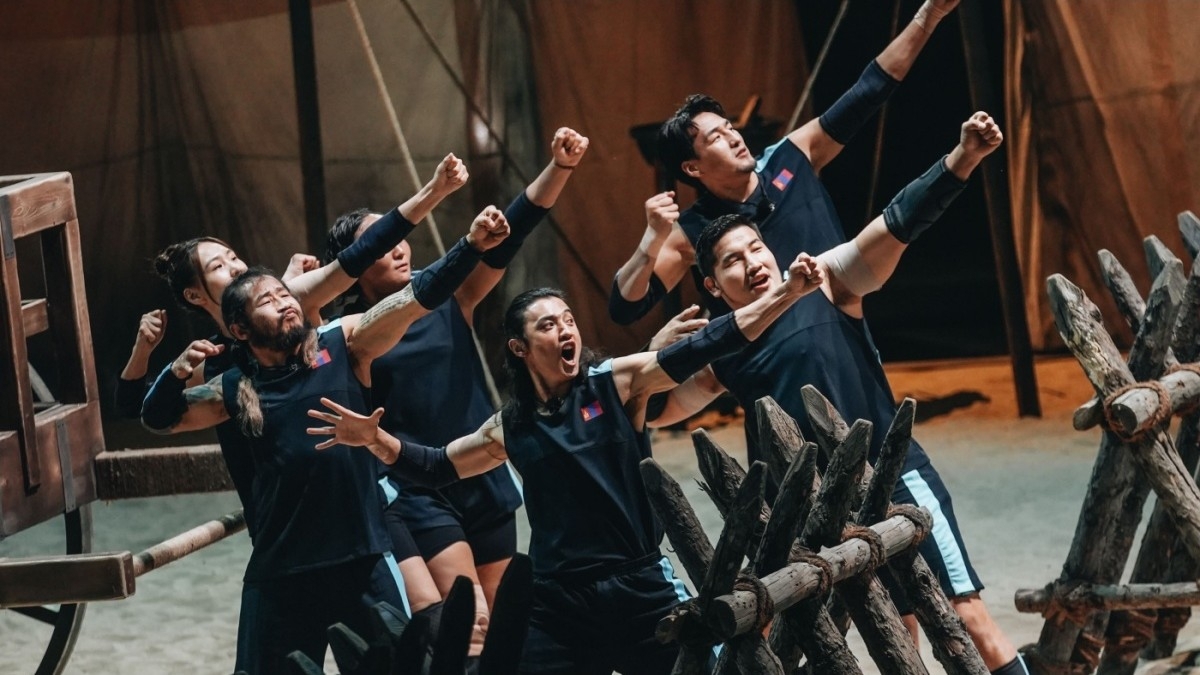
Beyond strength and skill, many Korean viewers say part of the reason Mongolia resonated so deeply was a shared feeling of familiarity. Some mentioned common physical features or cultural closeness.
It is often said that Koreans and Mongolians share segments of ancestral roots, and many viewers noted similarities in facial structure and overall appearance.
“There’s already a sense of familiarity between Koreans and Mongolians, like similar physical traits,” critic Seong said. “So when the Mongolian team continued to perform well throughout the series, it became a factor for viewers to even easily connect with them emotionally and cheer for their success.”
That familiarity sparked a few nicknames. Team Mongolia’s leader, Bayarsaikhan, was dubbed “MongHodong,” a playful combination of his country's name and that of comedian and former ssireum (Korean wrestling) champion Kang Ho-dong, as viewers found them strikingly similar. Circus artist Erdene-Ochir was also nicknamed the “Mongolian Kim Ji-hun,” for his resemblance to the Korean actor.
But looks weren’t the only connection — history played a role, too.
Both Korea and Mongolia are relatively small countries with proud histories that have worked to promote themselves on the global stage. This was evident in the show, as the Mongolian team was reportedly highly aware of how they represented their nation — a detail that deeply resonated with Korean audiences, who understand the emotional responsibility of carrying their country on their shoulders.
“We know that feeling well,” a Korean online comment noted. “Putting one’s country on the line and giving everything to make its name known, even just a little.”
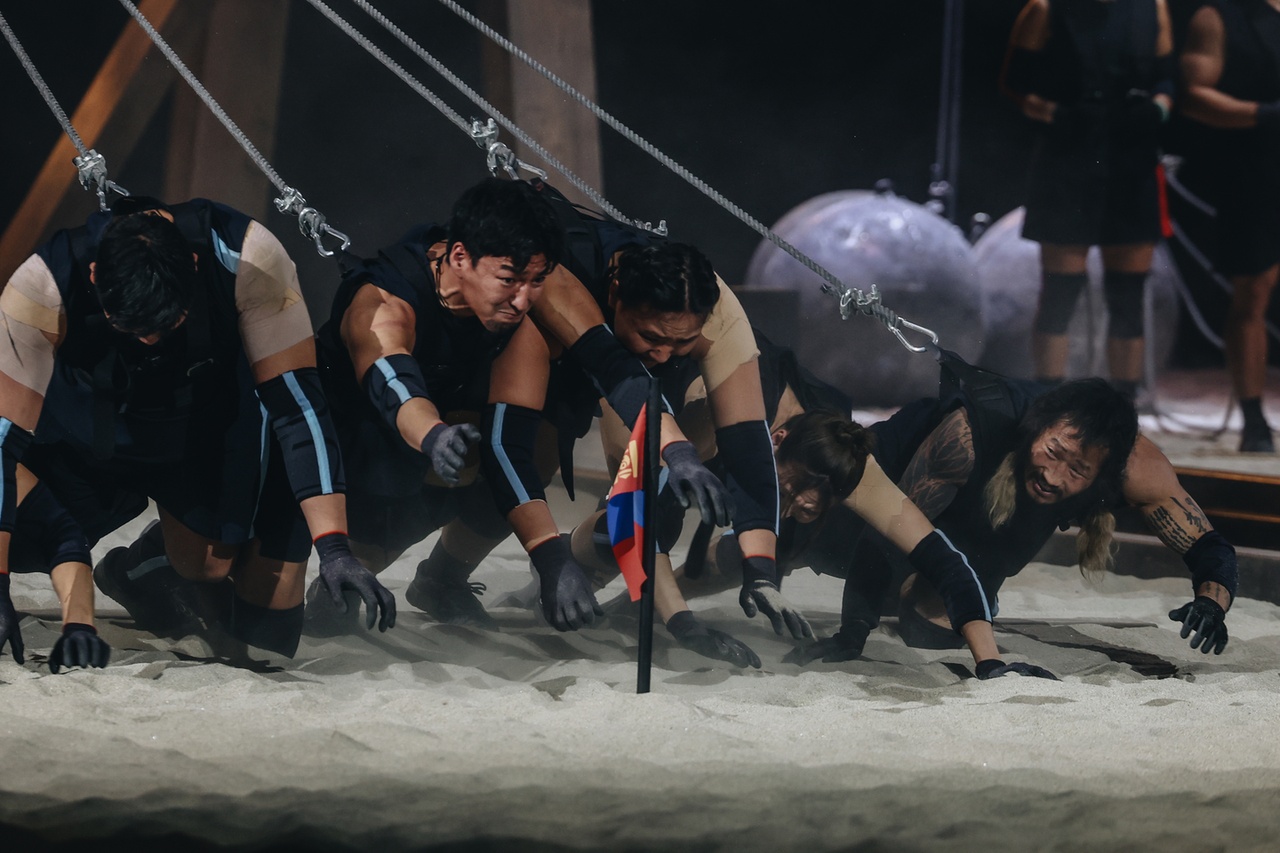
Another commenter also pointed this out, noting, “Korea has been there, back when we were a developing nation, when every international competition felt like a national campaign and everyone cheered as one. Mongolia seems to be approaching global platform Netflix with that same spirit and maybe that’s why I can’t help but cheer them on.”
That passion wasn’t just visible on-screen. It existed behind the scenes long before filming began.
Mongolia’s participation stemmed from a determined effort to promote the country, a strategy reminiscent of Korea’s own cultural rise.
On a YouTube podcast hosted by Sanjaa, BOKI, the project leader behind Team Mongolia, revealed that he and his agency repeatedly contacted the Korean production team to suggest a program involving both countries. Inspired by watching “Physical: 100” in 2023, his initial idea was a show featuring 50 Mongolian and 50 Korean athletes competing in Mongolia. Although that project didn’t move forward, their efforts succeeded in eventually opening the door for Mongolia to join the cast of “Physical: Asia.”
The athlete selection process also reflects its broader goal of not just appearing on the show but genuinely representing Mongolia. BOKI explained that he carefully evaluated potential candidates, conducting thorough research and narrowing the list from 200 athletes to 60 to ensure Mongolia would be represented with authenticity and pride.
BY KIM JI-YE [kim.jiye@joongang.co.kr]